Access denied in Elmers End? Parking problems solved
Posted on 10/06/2026
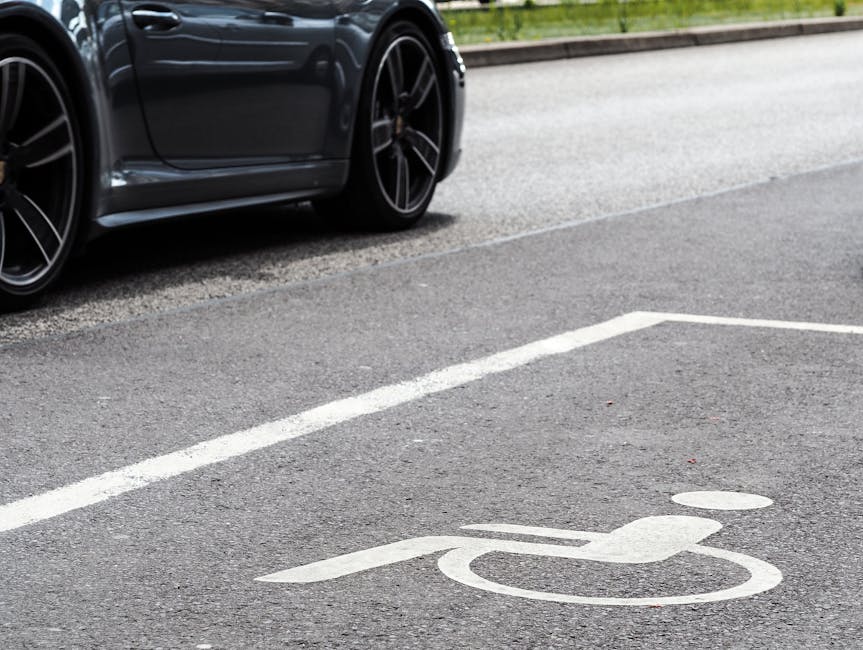
If you have ever arrived for a move in Elmers End and found the van blocked by tight streets, permit worries, double yellow lines, or a neighbour's car sitting exactly where you needed to stop, you already know how quickly a simple job can go sideways. Access denied in Elmers End? Parking problems solved is not just a catchy phrase; it is the reality check every local move needs. The good news is that parking problems are usually manageable with the right planning, the right timing, and the right moving approach. In this guide, we will break down what causes access trouble, how to work around it, and how to keep your move calm rather than chaotic. No drama. Just practical, local advice that actually helps.
Why Access denied in Elmers End? Parking problems solved Matters
Parking is one of those hidden moving costs people forget about until the day itself. You can have everything packed, labelled, and ready, but if the van cannot stop close enough to the property, the whole schedule gets stretched. In a place like Elmers End, that matters even more because residential roads, flats, terraces, and busier through-roads can make loading slower than expected.
Access problems do not just add time. They add physical strain, risk of damage, neighbour frustration, and a lot of unnecessary back-and-forth. A box that should have travelled three metres suddenly travels thirty. A sofa that should slide into a van becomes an awkward carry around parked cars. You get the picture. It is rarely the big stuff that causes the headache; it is the small access snag that snowballs.
That is why a parking-first moving plan is worth it. It protects your timetable, helps the crew work safely, and lowers the chance of fines, complaints, or awkward delays. If your move involves stairs, narrow roads, or bulky furniture, a little planning goes a long way. For a fuller look at how a move can stay calm even when the day is busy, see our guide on gliding through your house move with zero stress.
Expert summary: In Elmers End, parking solutions are really access solutions. If the van can position well, the move becomes safer, faster, and much less stressful for everyone involved.
How Access denied in Elmers End? Parking problems solved Works
Solving parking issues is usually a mix of observation, timing, and sensible route planning. It starts before moving day, not after. The idea is simple: identify where the van can stop, how long it can stay there, and whether the carry distance is realistic for the items being moved.
A good plan usually includes a few basic questions. Where will the van park? Is the street wide enough for a safe load-in? Will the crew need parking near the front door, or is there a side access point, a rear lane, or a short walk from a nearby bay? What time of day is easiest for access? These may sound obvious, but they are exactly the details people skip when they are rushing.
There is also the human side of it. If you know your street gets busy at school run time or you are near a stretch where parking disappears by mid-morning, build your schedule around that. It sounds minor. It really is not. Five minutes here, ten minutes there, and suddenly the whole move feels slower than it needs to.
In many cases, the answer is a compact moving vehicle with flexible positioning rather than a large lorry that cannot get close enough. A good man with a van in Elmers End can be a better fit than a bigger setup when access is tight. For particularly urgent situations, same day removals in Elmers End may also make sense if the parking window is short and the timing has to be precise.
Key Benefits and Practical Advantages
Getting the parking side right is not just about convenience. It changes the whole shape of the move.
- Less physical strain: shorter carrying distances mean less lifting fatigue and fewer awkward turns.
- Better time control: the van spends less time circling the block or waiting for a spot to open up.
- Lower damage risk: fewer handovers and less double-moving means fewer knocks, scuffs, and dropped items.
- Improved safety: tight streets and heavy furniture are a poor mix unless access has been thought through.
- Smoother coordination: everyone knows where to park, where to load, and what to do if the first choice is blocked.
There is also a calmer mindset benefit, which sounds a bit soft until you are the one carrying a mattress down a narrow path in drizzle at 7:30 in the morning. Then it feels very real. When access is sorted, people stop improvising every five minutes, and that matters. A move feels organised instead of improvised.
If you are still in the planning stage, a broader look at move preparation can help too. Our article on strategic decluttering before a move is a useful companion because fewer items usually means fewer parking headaches. Less stuff, less stress. Very simple, really.
Who This Is For and When It Makes Sense
This approach is useful for almost anyone moving in or around Elmers End, but it becomes especially valuable in a few common situations.
Home movers in tighter streets often need parking sorted because the van cannot sit directly outside the property for long. A front-door load is ideal, but not always possible. If you are moving from a terraced house, a maisonette, or a home on a road with heavy parking pressure, access planning should be part of the first conversation.
Flat movers have their own version of the problem. Even if the van can park nearby, stairs, shared entrances, or awkward turning points can slow the whole process. If that sounds familiar, it may be worth looking at flat removals in Elmers End, especially if access is more of a puzzle than a straight line.
Students and first-time movers often underestimate how much parking affects the day. A small van can still be the wrong van if it has nowhere practical to stop. If you are moving between rooms, studios, or shared housing, a more flexible setup can be a better fit, and student removals in Elmers End are often built around that kind of need.
Office and business movers also need this. Delivery slots, permits, loading bays, and building access windows can make or break a work move. A few minutes of planning saves a lot of workplace grumbling. Nobody wants the office printer waiting on a pavement while someone hunts for parking.
Step-by-Step Guidance
Here is a practical way to handle access and parking problems before they become moving-day problems.
- Walk the route in advance. Stand outside the property and look at the road the way a van driver would. Check width, corners, double parking pressure, and whether there is enough room to open doors safely.
- Measure the real carry distance. A "nearby" parking space may actually mean a long carry once you factor in steps, gates, a bend in the path, or a shared entrance.
- Identify the best loading point. The best place is not always directly in front of the house. Sometimes a side street, a safer bay, or a short-term loading area is better.
- Choose the right vehicle size. Bigger is not always better. If access is tight, a more manageable vehicle can save time and reduce stress.
- Build the schedule around local pressure. Avoid obvious busy periods if you can. School run times, commuter peaks, and bin collection days can all affect parking.
- Prepare the heaviest items first. If the parking spot is temporary, get bulky items loaded early while the access is still open. Beds, sofas, and white goods usually need the clearest route.
- Keep a backup plan. If the first stopping point is blocked, know the next-best place before the van arrives. This one little habit saves a lot of panic.
If you are packing at the same time, it helps to have a sensible labelling system. Our guide to packing effectively for your upcoming move covers the sort of small details that keep the day moving. And if the job includes awkward furniture, the advice in safe heavy lifting techniques may help you avoid a bad back before the van even turns up.
Expert Tips for Better Results
A few field-tested habits make parking and access far easier. They are not flashy, but they work.
Keep the front path clear the night before. Shoes, plant pots, recycling boxes, and loose bits in the hallway all slow loading. Even a narrow hall feels smaller when two people are trying to pass each other with a wardrobe panel.
Use the closest legal stop, not the most convenient guess. It sounds obvious, but this is where people get caught out. If a space looks handy but is not safe or legal for loading, it can create more problems than it solves. Better to be methodical than hopeful.
Protect fragile items from extra handling. Parking issues often mean extra moving around, so extra padding matters. For items like mirrors, lamps, and picture frames, a few minutes of careful wrapping can spare you a lot later.
Think about weather. A dry morning is one thing; a wet Tuesday at 6pm is another. Rain makes short carries slippery and more tiring. If you can set up the move to avoid a late-evening rush, do it. Your future self will thank you.
Use storage if access needs a pause. Sometimes parking and timing problems are tied to move-out and move-in dates not lining up neatly. In that case, short-term storage can be a pressure valve, not a last resort. If that sounds useful, storage in Elmers End can help bridge the gap.
A small aside: people often think the solution is to "just make it work". That phrase has caused more moving-day chaos than it deserves. Better to plan once than apologise twice.

Common Mistakes to Avoid
Most access problems are not caused by bad luck. They come from a few repeat mistakes.
- Assuming parking will be available: this is the classic one. Streets fill up fast, and what looks fine on a Tuesday afternoon may be unusable on a Friday morning.
- Ignoring stair access: a parked van near the door does not solve the whole problem if the property itself has awkward internal access.
- Not warning neighbours: if parking is tight, a bit of polite advance notice can stop avoidable tension. It is simple courtesy, and it helps.
- Bringing too much at once: overloading the van or blocking the path tends to slow everything down.
- Leaving bulky waste for later: an old sofa or mattress sitting in the way can turn a neat plan into a shuffle. If you need disposal advice, our piece on bulky waste pickups in BR3 is worth a look.
- Forgetting specialist items: pianos, large wardrobes, and heavy furniture need more thought than a standard box run. They are not just "bigger items"; they change the whole access plan.
To be fair, nearly everyone makes at least one of these mistakes the first time. The trick is spotting them early enough to fix them.
Tools, Resources and Recommendations
You do not need a truckload of equipment to solve parking issues. A small kit of practical tools is usually enough.
| Tool or resource | Why it helps | When to use it |
|---|---|---|
| Measuring tape | Checks van clearance, doorway width, and awkward corners | Before move day and during a pre-move walk-through |
| Notebook or phone notes | Keeps track of parking options, timings, and backup spots | While planning access routes |
| Labels and colour coding | Speeds loading and unloading once the van is parked | When packing boxes and grouping rooms |
| Protective covers and blankets | Reduces the risk of scuffs during long carries | For furniture, appliances, and fragile pieces |
| Short-term storage plan | Helps when parking, dates, or access windows do not line up neatly | For staged moves or delayed handovers |
If your move involves larger furniture, it is worth looking into proper handling rather than improvising. The page on furniture removals in Elmers End gives a good sense of how practical support fits into a well-organised move. And if you are comparing different moving setups, the broader services overview can help you understand what level of help suits your situation.
Law, Compliance, Standards, or Best Practice
Parking and access problems are not just a matter of convenience. In the UK, you need to think carefully about keeping roads, pavements, and entrances clear and safe. That means using legal parking spaces, respecting loading restrictions, and avoiding blockages that could inconvenience neighbours or create hazards.
It is also wise to follow normal manual handling best practice. That means lifting within safe limits, using team lifts for heavy or awkward items, and taking a slower route if it reduces strain. If a move feels too tight for safe handling, that is a signal to rethink the plan, not push harder. A slightly longer move is better than an injury. Really, that part is non-negotiable.
For buildings with shared access, be considerate. Keep communal areas clear, avoid leaving doors propped open for long periods, and protect flooring where needed. If your block has management rules about loading bays, visitor parking, or time limits, follow them. Even when the move is personal, the shared space is still shared space.
Good moving practice also includes clear communication, especially when timing is tight. If you need a flexible arrival window or a quick turnaround, mention it early. The health and safety policy and insurance and safety information are useful reminders that safe handling should never be an afterthought. And if you want the money side explained plainly, pricing and quotes is the right place to understand how jobs are usually assessed.
Options, Methods, or Comparison Table
There is more than one way to handle parking trouble. The best method depends on your street, your items, and how much time you have.
| Approach | Best for | Pros | Trade-offs |
|---|---|---|---|
| Park as close as possible | Short local moves with easy street access | Fast loading, minimal carrying | May be impossible on busy roads or permit-heavy streets |
| Use a smaller, flexible vehicle | Narrow streets and awkward turning points | Easier positioning, less congestion risk | May require more careful packing or an extra trip |
| Stage the move with storage | When parking or dates are not lining up | Reduces pressure on the day | Needs extra coordination and planning |
| Book a team-led move | Heavy furniture, stairs, and time-sensitive schedules | Better control, safer handling, faster response to access issues | May cost more than a basic van-only option |
For compact local work, a man and van in Elmers End can be a practical middle ground. For more structured support, removal services in Elmers End offer a broader option, while removals in Elmers End suits people who want one plan rather than piecing the move together themselves.
Case Study or Real-World Example
Here is a realistic example. A family moving from a terrace in Elmers End had a van booked for mid-morning, but the street was already crowded with parked cars. The front of the house looked usable at first glance, but once the van arrived there was no practical place to stop without causing a block. Classic. Annoying, but not unusual.
Instead of forcing the issue, the move was adjusted. The van was parked a short distance away in a wider section of road, the heavier items were loaded first, and the team worked in a simple sequence: bed frames, boxes, furniture, then the smaller loose items. The result was a slightly longer carry but a smoother overall process. No one had to wait around wondering what came next, and the move stayed under control.
The family had also done a bit of decluttering beforehand, which helped more than they expected. Fewer items meant fewer trips and less congestion in the hallway. That one decision saved time and probably a few sighs too. If the move had included a piano, though, the plan would have been different again. In those cases, the safer route is to use dedicated help, as explained in piano removals in Elmers End and the related article on why piano moves are best left to pros.
Practical Checklist
Use this checklist the day before your move. It is simple, but it works.
- Confirm the van size and expected arrival window.
- Check parking options near the property and a backup spot.
- Clear the front path, hallway, and entrance area.
- Notify neighbours if parking is likely to be tight.
- Separate heavy items from fragile boxes.
- Keep keys, documents, and essentials in one easy-to-reach place.
- Protect furniture with blankets or covers.
- Check whether you need storage or an alternative load plan.
- Make sure anyone helping knows the loading order.
- Have a phone charged in case timing changes during the day.
If you are near a busy road or dealing with tricky access, it also helps to review local route issues before the day. Our guides on narrow street move tips and stairs, access and timing in Eden Park Estate are useful if your move has more than one access challenge. And for genuinely urgent bookings, what to expect from urgent same-day removals is a sensible next read.
Conclusion
Parking problems in Elmers End are frustrating, yes, but they are rarely impossible. Once you think about access early, the whole move becomes easier to manage. You get fewer surprises, safer lifting, better timing, and a lot less running about in the street trying to improvise on the fly.
The real win is not just saving time. It is keeping the move steady enough that you can actually breathe through it. That is the part people remember afterwards: not the awkward space on the road, but how much better it felt when someone had already thought the problem through.
If you are planning a move with awkward parking, tight access, or a narrow loading window, do not leave it until the last minute. A sensible plan now will save a lot of hassle later, and that is usually worth more than people expect.
Get a free quote today and see how much you can save.