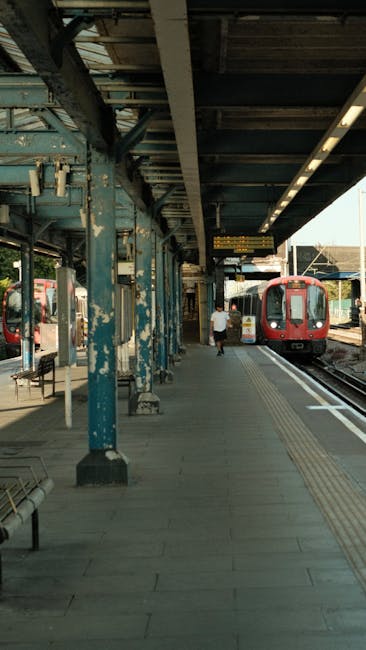
BR3 removals best parking spots near Elmers End Station

If you are planning a move in BR3 and need the BR3 removals best parking spots near Elmers End Station, the difference between a smooth move and a stressful one often comes down to parking. Not the glamorous part, granted. But when a van can stop close to the entrance, your crew saves time, your furniture travels fewer metres, and the whole job feels a lot less frantic.
Elmers End is one of those places where the details matter. Station traffic, local residential parking, narrow stretches, buses, and the usual London "just for a minute" drivers can turn a simple drop-off into a small puzzle. In this guide, we'll break down how to choose sensible parking spots, what to think about before the van arrives, and how to avoid the common mistakes that cause delays. If you are comparing local moving help too, you may also find our page on removals useful alongside this guide.
Truth be told, the best parking spot is not always the closest one. It is the one that keeps the move legal, safe, and efficient. That is the real goal here.
Why BR3 removals best parking spots near Elmers End Station Matters
Parking is not a side issue in a station-area move. It shapes the pace of the whole day. If the van ends up too far away, every box has to travel further, which is tiring for the team and a little nerve-racking for you if you are trying to keep things organised. A short walk with a trolley is fine. A long carry across a busy street in drizzly weather? Not so much.
Near Elmers End Station, you are usually dealing with a mix of local traffic, commuters, residential roads, and limited stopping space. That means the "best" spot depends on what kind of move you are doing. A one-bed flat clearance, a family house move, or a small office relocation will all have slightly different needs. The parking that suits a quick man-and-van job may be useless for a larger removal lorry.
This matters for another simple reason: timing. Station-adjacent areas can feel busy at commuter peaks, then strangely calm an hour later. If you arrive at the wrong moment, even a decent parking plan can wobble. In our experience, people often underestimate how much a five-minute parking detour can snowball. One awkward turn, one blocked curb, one missed loading bay, and suddenly the whole schedule has a bit of a wobble.
Expert summary: The best parking spot near Elmers End Station is the one that balances legality, distance, safety, and loading efficiency. Close helps, but workable beats perfect every time.
For readers planning a broader BR3 move, our moving from BR3 checklist for Elmers End homes can help you line up the parking, packing, and timing side by side.
How BR3 removals best parking spots near Elmers End Station Works
The basic idea is straightforward: you identify where the vehicle can legally stop, how long it can stay there, and how easily your belongings can be moved between the property and the van. But the practical version is a little messier. Streets near stations tend to have more variables than a quiet cul-de-sac. There may be permit areas, yellow lines, limited waiting periods, dropped kerbs, access routes, and loading restrictions.
When planning parking for a move near Elmers End Station, think in layers:
- Distance from the property - shorter is usually better, but only if the space is usable.
- Vehicle size - a van that fits a side street is better than a larger vehicle that blocks traffic.
- Loading time - how long will you realistically need?
- Pedestrian safety - busy pavements and crossing points matter more than people think.
- Local restrictions - permits, bay markings, and time limits can change the plan quickly.
A good removals team will usually do a quick parking assessment before unloading starts. They may suggest a different approach if the original spot looks awkward. That might mean using a nearby side road, a loading-friendly bay, or a position that gives safer access to the front door. If you need heavier items handled as part of the process, take a look at man and van and man and van removals for the sort of service that suits these tighter local moves.
The key point? Parking is part of route planning, not something you decide at the last second while standing on the pavement and squinting at a bay sign. Happens all the time, of course, but it is not the best way to do it.
Key Benefits and Practical Advantages
Choosing the right parking spot near Elmers End Station is not just about convenience. It changes the rhythm of the whole move and can make a noticeable difference to safety, timing, and cost control.
- Faster loading and unloading - shorter carry distances usually mean fewer delays and less fatigue.
- Lower risk of damage - fewer trips across kerbs, parked cars, and tight corners reduces handling risk.
- Better safety - a sensible parking position keeps the team away from traffic pinch points and awkward crossings.
- Cleaner schedule control - when the van is positioned well, the rest of the day becomes easier to manage.
- Less stress for everyone - and yes, that includes the person who has been packing boxes since 6 a.m.
There is also a financial angle. Time lost to parking confusion often turns into time lost overall. Even if your removal is priced fairly, wasted time can make the day feel longer, more rushed, and less controlled. If you are comparing service levels, our pricing and quotes page explains how you can plan the job with clearer expectations.
And there is a subtle benefit many people miss: a well-placed van makes the job feel more professional. The crew can work in a better flow. Neighbours are less likely to be inconvenienced. You are less likely to end up carrying a sofa through a patch of wet leaves while wondering who moved the bollard. Small things, but they add up.
Who This Is For and When It Makes Sense
This topic matters to a wide range of movers, but it is especially useful if you are dealing with a location near transport links, busier roads, or tighter residential parking. Elmers End Station sits in exactly that kind of environment.
You will benefit most if you are:
- moving from a flat or maisonette with limited frontage space;
- organising a house move on a road where parking is usually tight;
- booking a same-day or short-notice removal and need quick access;
- relocating a small office or business unit near the station;
- moving bulky furniture, white goods, or awkward items that need a near-door position;
- trying to avoid neighbour complaints or blocking a driveway.
If you have ever stood on a pavement with a clipboard, a kettle box, and a growing suspicion that the van will not fit where you hoped, this is for you. It is also useful if you are a landlord, letting agent, or property manager trying to plan a handover without making a mess of the loading side.
For people needing more than simple transport, our home moves and house removals services are relevant because parking planning is built into a more complete move, not treated as an afterthought.
Step-by-Step Guidance
Here is a practical way to approach parking near Elmers End Station without overcomplicating things.
- Check the exact property position. Is it a terrace, a block of flats, a side street, or a road with only limited stopping space?
- Identify the safest loading side. Front door access is not always the best if the pavement is narrow or traffic is heavy.
- Look for legal stopping options first. That means legal bays, loading areas, or places that fit the local rules. Not the tempting patch "just there".
- Match the vehicle to the street. A medium van may be far easier than a larger truck on a tight road.
- Allow extra time around station traffic. Commuter times can change what feels easy and what feels impossible.
- Keep a backup spot in mind. If your first choice is occupied, know the next sensible option before the van arrives.
- Plan the carry route. Check for steps, slopes, low branches, kerbs, and awkward doors before lifting anything heavy.
- Communicate clearly with the team. One person should be responsible for decisions so the job does not drift.
It sounds obvious, but a lot of delays come from not knowing who is making the final parking call. One person needs to say, "Yes, this is the spot," or "No, let's move on." Otherwise you get that awkward half-minute where everyone is standing around and nothing is happening. Not ideal.
If your move is particularly tricky, our guide on Elmers End Station moving guide for parking, lifts and routes goes deeper into the access side of things.
Expert Tips for Better Results
After plenty of local moves, a few patterns become obvious. These are the little improvements that make a noticeable difference.
- Arrive before the busiest window if you can. Early starts usually give you more choice and less pressure.
- Prefer a wider working area over the closest possible curb. A slightly longer walk can be worth it if the loading space is safer.
- Keep one person focused on parking and access. They can watch for obstacles while others lift and stack.
- Use cones or polite holding markers only where appropriate and lawful. Never assume you can reserve a public space.
- Check the weather. A wet pavement changes grip, speed, and visibility. Simple, but true.
- Protect entrances and pavements. A sheet, runner, or mat can help if boxes are going in and out all day.
A small but useful tip: if you are moving from a flat near the station, try to visualise the journey from the front door to the van before the move starts. You will spot problems sooner. Is there a gate that swings awkwardly? A step that catches the dolly? A flowerbed that forces a weird turn? Better to know before the sofa arrives.
For fragile or awkward items, specialised handling matters too. Our furniture pick up and packing and unpacking services pages are useful if you want a more supported move rather than a purely transport-only job.
Common Mistakes to Avoid
A lot of parking problems near Elmers End Station are avoidable. The trouble is they usually seem minor until the van is there and the clock is ticking.
- Assuming a spot is okay because it looks empty. Empty and legal are not always the same thing.
- Ignoring bay markings or time restrictions. A short-term stop can still be restricted.
- Choosing the closest place without checking access. A tight corner may slow you down more than a slightly further bay.
- Leaving parking decisions until the last minute. That is how a calm move becomes a scramble.
- Forgetting about neighbours, driveways, and pedestrian flow. Courtesy matters. So does common sense.
- Underestimating van size. If the vehicle is too large for the street, you lose time trying to force a fit.
One quiet but important mistake is not checking how the parking choice affects the carry route. Even if a bay looks fine on paper, it may create extra steps, a narrow turning angle, or a long lift through a side path. That can be exhausting on moving day, especially by late afternoon when everyone is a bit less cheerful and the tea has gone cold.
If you want to avoid the worst access issues, this article on parking problems and access issues in Elmers End is a sensible companion read.
Tools, Resources and Recommendations
You do not need a fancy toolkit to make parking work better. A few practical items and a little preparation go a long way.
- Printed move plan - useful if your phone battery is already under pressure.
- Measuring tape - helpful for checking whether larger furniture will fit through access points.
- Notepad or phone notes - list parking options, timings, and backup ideas.
- Protective covers and blankets - especially if the route from van to property is a bit tight or damp.
- Trolley or sack truck - a small bit of kit that saves energy and reduces strain.
- Good communication - sometimes the most useful "tool" is simply a clear voice and a quick decision.
There are also service pages worth knowing about if you need more than parking guidance. For example, our removal services and removal company pages explain the broader support available when a move needs more than just a van and a driver.
And if you are looking into van size or the type of vehicle that might suit your street, the moving van and removal van pages can help you think through what is practical.
Law, Compliance, Standards, or Best Practice
Parking near a station area is not just a matter of convenience. You need to stay within the local rules that apply to the street, bay, or loading area you are using. In the UK, that usually means paying attention to road markings, signs, local restrictions, and any permit requirements that affect the road in question. Because rules vary by location and can change, it is always sensible to check the latest local guidance rather than relying on memory or old habit.
From a removals point of view, best practice usually includes the following:
- Only use lawful stopping places. Never assume a curb is okay just because the move is brief.
- Avoid obstructing access. Keep driveways, crossings, and pedestrian routes clear wherever possible.
- Plan for safe lifting. If the parking choice creates a dangerous carry route, change the plan.
- Be mindful of neighbours and businesses. A respectful approach prevents unnecessary friction.
- Use appropriate insurance and safety practices. Particularly where heavy or valuable items are involved.
If you are booking a professional mover, it is reasonable to ask about insurance and how they handle access issues. That is not being difficult. That is being sensible. Our insurance and safety page explains how these considerations fit into a professional service, and our health and safety policy sets out the broader approach.
For street or loading-related questions in the local area, this guide on Bromley council permits for Elmers End street loading may also help, especially if your move depends on a formal loading arrangement.
Options, Methods, or Comparison Table
Different parking approaches suit different kinds of moves. Here is a simple comparison to help you decide what usually works best near Elmers End Station.
| Parking approach | Best for | Pros | Trade-offs |
|---|---|---|---|
| Closest legal bay | Small moves, quick unloading | Short carry distance, efficient | May be limited by availability or time rules |
| Nearby side street | Medium moves, residential access | Often easier to position safely | Longer carry, more walking |
| Loading bay or permitted loading area | Timed jobs, heavier items | Good for structured loading | May need awareness of time limits and rules |
| Off-peak curbside stop where allowed | Flexible schedules | Can be simple and practical | Availability varies; not always dependable |
There is no universal winner. A very short carry route may look ideal, but if the road is narrow, busy, or restrictive, a slightly further legal bay may be the better choice. That balance changes job by job.
For local business relocations, the same logic applies. If your move is commercial rather than domestic, you may want to explore commercial moves or office removals, because parking and access planning become even more important when timing has knock-on effects for staff and customers.
Case Study or Real-World Example
Here is a realistic local example. A family moving from a first-floor flat near Elmers End Station had originally assumed the van would stop directly outside the building. On paper, it looked easy. In practice, the road was busier than expected, with limited standing room and a few spaces already taken. The team had to reassess quickly.
Instead of forcing the issue, they used a slightly further legal stopping point on a quieter nearby road. It meant a longer carry, yes. But the access was safer, the loading went more smoothly, and there was no need to keep shuffling the van around every few minutes. The crew could work properly. The family could keep track of boxes. Everyone stayed calmer, which sounds small but really is half the battle.
They also used a simple room-by-room approach, so each trip had a clear destination. That reduced confusion inside the property, where hallways can get cluttered fast. There was a brief moment where somebody was convinced a lamp had vanished into the car boot, but it turned up under a blanket a minute later. Happens.
The lesson is straightforward: the best parking spot is the one that supports the whole move, not just the van. If you are dealing with stairs, tight halls, or awkward furniture, you may find the move goes more smoothly when you combine sensible parking with support from a team used to local access challenges. Our Eden Park estate moves guide has similar access-minded advice, and the principles carry across nicely.
Practical Checklist
Use this quick checklist before moving day. It is simple, but it saves headaches.
- Confirm the property address and exact entrance point.
- Identify the nearest legal parking or loading options.
- Check whether the road is narrow, one-way, or unusually busy.
- Decide whether the vehicle size matches the street.
- Plan a backup parking location.
- Look for steps, slopes, gates, or tight corners on the walking route.
- Ask about any permits, restrictions, or loading time limits.
- Keep the moving team updated if anything changes.
- Protect floors, entrances, and fragile items as needed.
- Allow extra time if the move is near station peaks or school-run traffic.
Quick reminder: if a parking spot seems likely to create stress, it probably will. Trust that instinct. A calmer choice usually pays off.
Get a free quote today and see how much you can save.
Conclusion
Finding the BR3 removals best parking spots near Elmers End Station is really about making the rest of your move easier. The right parking choice saves time, protects items, supports safer lifting, and lowers the emotional noise that tends to build up on moving day. And let's face it, moving day already has enough going on without adding a parking battle to the mix.
If you keep one thing in mind, let it be this: legal, workable, and safe is better than close-but-chaotic. That mindset usually leads to better decisions, fewer delays, and a move that feels much more under control.
When you are ready to plan the actual job, a bit of local knowledge and a well-chosen parking plan can make the day feel surprisingly manageable. One careful decision at a time. That is often how the smoothest moves happen.
Frequently Asked Questions
What is the best parking spot for removals near Elmers End Station?
The best spot is usually the nearest legal place that allows safe loading without blocking traffic or creating a difficult carry route. Closer is helpful, but not if it causes restrictions or safety issues.
Can a removals van stop outside my property near Elmers End Station?
Sometimes yes, sometimes no. It depends on road markings, parking rules, traffic flow, and whether the space is actually legal for loading. A quick check before the van arrives is always the smart move.
Do I need a permit for loading near Elmers End Station?
Possibly, depending on the exact street and local restrictions. Some locations have loading allowances, while others have time-limited or permit-based rules. It is best to confirm the current arrangements for your specific road.
What if the road is too narrow for a larger removal van?
Then a smaller van or a different parking strategy may work better. In tight residential areas, vehicle size matters a great deal. A slightly smaller vehicle can often save time and reduce risk.
How far should the van be from the property?
Ideally, as close as is legally and safely possible. But a slightly longer walk is often worth it if the closer space is awkward, unsafe, or likely to cause delays.
Is it better to move early in the day?
Usually, yes. Early starts often mean less traffic, more parking choice, and a calmer pace. Around station areas, that can make a noticeable difference.
What are the biggest parking mistakes people make during removals?
The most common mistakes are assuming a space is legal because it looks empty, ignoring restrictions, leaving parking until the last minute, and choosing a tight spot that creates a difficult loading route.
Can I save a parking space for the van with cones or bins?
Only if it is allowed and done properly. Never assume you can reserve a public space. If in doubt, treat public parking as public parking and plan accordingly.
How do I plan parking for a same-day move near Elmers End Station?
Keep it simple: check the road, identify the nearest lawful space, have a backup option, and make sure everyone involved knows the arrival time. Same-day moves need clear decisions and less guesswork.
What should I tell my removals company before the move?
Tell them about road width, parking limits, permits, stairs, access gates, lift availability, and anything else that could affect the van's position or the carry route. The more accurate the picture, the smoother the day.
Does parking choice affect the cost of removals?
It can, indirectly. A difficult parking setup may take more time and effort, while a well-planned spot can help the job run more efficiently. That is one reason it is worth discussing access early.
What if I am moving bulky furniture or appliances?
Then parking becomes even more important, because heavy items need a safe and practical loading route. For those jobs, check whether your mover offers proper handling support and whether the vehicle can park close enough for safe lifting.
Where can I get more help with local moving planning?
You can review related guidance on the website, including moving preparation, access, and pricing pages. A little planning now tends to save a lot of stress later, which is rarely a bad thing.