Bromley Council permits for Elmers End street-loading
Posted on 26/06/2026
Bromley Council permits for Elmers End street-loading: a practical guide for smoother, safer moves
If you are planning a move, a delivery, or even a bulky furniture drop in BR3, the rules around Bromley Council permits for Elmers End street-loading can make or break the day. One minute you are ready to load quickly from the kerbside; the next, you are dealing with parking restrictions, access issues, or the awkward realisation that your van cannot just stop anywhere without consequences. It sounds minor until you are standing in the road with a sofa half-out the back and a neighbour trying to squeeze past. Not ideal.
This guide explains what street-loading means in plain English, why permits matter in Elmers End, how the process usually works, and what to do to keep the move legal, efficient, and calm. We will also cover practical planning tips, common mistakes, and the little details that people often miss until the last minute. If you are trying to avoid delays, penalties, and unnecessary stress, you are in the right place.
Why Bromley Council permits for Elmers End street-loading Matters
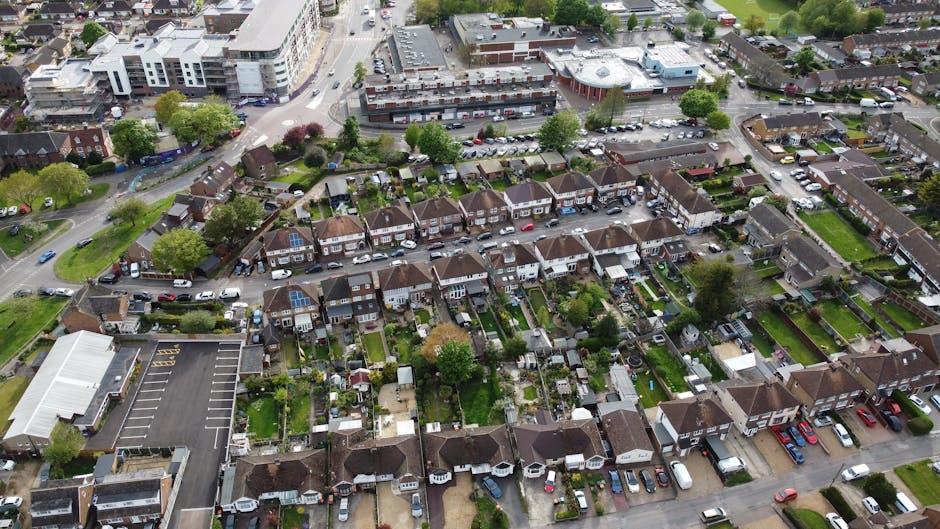
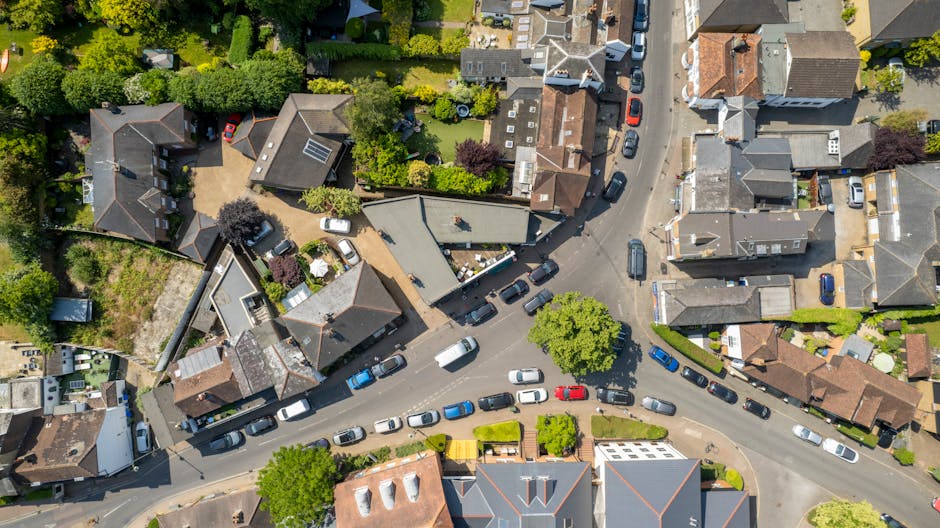
Street-loading is exactly what it sounds like: loading or unloading from a vehicle while it is positioned on or near the street, usually because driveways, forecourts, or private loading areas are not available. In Elmers End, that often becomes a real issue because residential roads, shared access points, and parking pressure can make stopping a van difficult, even for a short time.
The permit side matters because moving vehicles and parking controls are not just background noise. They shape how long you can stop, where you can stop, and whether a loading activity is likely to be questioned by enforcement officers or frustrated by local traffic conditions. A move that should take an hour can stretch into half a day if access is not planned properly.
To be fair, most people only think about permits once the van is already booked. That is a bit backwards. The better approach is to look at access first, then build the move around the road conditions, not the other way around. That simple shift saves a lot of last-minute panic.
If you are handling a house move, flat move, office relocation, or a same-day collection, it helps to read a little more broadly too. Our guides on how to keep a house move calm and organised and solving access and parking problems in Elmers End are useful companions to this topic.
How Bromley Council permits for Elmers End street-loading Works
In practice, a permit or permission arrangement is about giving temporary legal cover for loading activity where normal parking rules would otherwise get in the way. The exact process can vary depending on the road, the type of restriction in place, the vehicle size, and how long the loading is expected to take. Sometimes a loading bay, waiting restriction, or suspended area is involved; sometimes the plan simply has to be adjusted so the van can stop safely and legally.
It helps to think of it as a traffic-management problem rather than a paperwork problem. The permit is only one part. The rest is making sure the van has somewhere to stand, the property access is usable, the crew can work safely, and other road users are not blocked for longer than necessary. That is the part people underestimate.
In Elmers End, where you may be dealing with narrow streets, parked cars, or tight turning space, the loading plan often has to be quite precise. A good move plan usually considers:
- the exact address and road layout
- whether the vehicle can park close enough to the property
- the time of day and likely traffic levels
- the size of items being moved
- how much walking distance is involved between property and van
- any temporary restrictions, roadworks, or neighbour access issues
That is why experienced movers spend time on the access question before the first box is lifted. It is not glamorous, but it works. And honestly, a smooth loading plan is worth more than a fancy van logo.
Key Benefits and Practical Advantages
Getting the loading arrangements right brings several very real benefits. Some are obvious, some only become obvious when something goes wrong.
1. Less waiting around
If the van can stop close to the entrance, the whole job becomes quicker. Fewer trips. Less lifting. Less standing in the street with a heavy item while everyone works out who forgot the parking plan. That alone can save a surprising amount of time.
2. Lower risk of damage
Long carries increase the chance of knocking a wall, scuffing furniture, or dropping smaller items. The closer the vehicle is to the property, the less handling is needed. That is especially important for awkward items like wardrobes, mirrors, mattresses, and anything with a bit of weight to it.
3. Better safety for everyone
Street-loading without a sensible access plan can create hazards for movers, residents, and passing pedestrians. A clear loading zone reduces the temptation to rush, twist, or carry items at a bad angle. If you want the basic mechanics of safer lifting explained in a practical way, have a look at the fundamentals of kinetic lifting and safe solo lifting techniques.
4. Less disruption to neighbours
A tidy, short loading operation is simply easier on everybody. Nobody wants a van blocking a whole row of cars longer than necessary, and residents are usually more forgiving when they can see the move is being handled efficiently and respectfully.
5. Better planning for complex items
Large or fragile belongings need space, time, and a proper loading sequence. If you are moving specialist items, the difference is even greater. For example, a piano move or a large sofa collection is a very different beast from a few boxes and a lamp. Our pages on piano removals in Elmers End and furniture removals in Elmers End may also help if your load is more than standard household items.
Expert summary: the best street-loading plan is not the one that sounds simplest on paper. It is the one that keeps the van close, the route clear, the timings realistic, and the move compliant enough that nobody has to improvise under pressure.
Who This Is For and When It Makes Sense
This topic is not just for removal companies. It affects a much wider mix of people than you might expect.
- Home movers who need to load furniture from a terraced street, a block of flats, or a property with no driveway.
- Students moving in or out with bags, boxes, and a surprisingly large pile of small items that all seem to need carrying at once.
- Office managers arranging a relocation where desks, chairs, archive boxes, and IT equipment have to be loaded efficiently.
- Landlords and letting agents handling end-of-tenancy clearances or urgent access-based collections.
- People with bulky items such as sofas, mattresses, wardrobes, or white goods.
- Anyone dealing with a time-sensitive move where every minute matters and access is already tight.
It makes sense whenever loading from private land is not practical, or when the street layout makes curbside access the only workable option. If that is your situation, planning ahead is not optional. It is the difference between a clean handover and a day full of awkward little delays.
For example, a flat move on a narrow road in the evening may require a very different approach from a daytime house move with short-term loading. If you are in a rush, same-day removals in Elmers End can also be relevant, but only if the access plan is realistic. Speed is useful. Chaos, not so much.
Step-by-Step Guidance
Here is a sensible way to approach street-loading in Elmers End without overcomplicating it.
- Check the property access first. Look at whether the van can stop near the entrance, whether there is any private space, and whether the pavement or kerb is suitable for loading. A five-minute check can save you an hour later.
- Review the road conditions. Consider width, traffic flow, nearby junctions, school-run timing, parked cars, and whether turning space is limited.
- Identify any restrictions. Loading bays, yellow lines, time-based restrictions, controlled zones, or suspension requirements can all change what is possible. If the situation is unclear, do not guess.
- Decide what needs moving first. Heavy and awkward items should usually be loaded with a plan, not just shoved in when space appears. It is worth decluttering first too; fewer items means less loading pressure. Our article on strategic decluttering before a move is very handy here.
- Book the right vehicle and crew size. A van that is too small or a crew that is too thin on the ground can turn a short load into a slow one.
- Build in timing buffer. Road access, lift delays, or neighbour parking can all eat into your plan. A small buffer is not pessimism. It is common sense.
- Prepare the items properly. Flat-pack as much as possible, protect fragile surfaces, and stage boxes in sensible groups. A bit of packing discipline helps more than people expect; see how to pack effectively for an upcoming move.
- Load in the safest sequence. Heavy items first where appropriate, fragile items secured later, and frequently needed essentials kept accessible.
- Check the site after loading. Make sure nothing has been left in the street, on the pavement, or in a position that will create a complaint.
If your move also involves storage or temporary holding, that should be planned at the same time. A rushed loading day and a rushed storage decision tend to travel together, unfortunately. If you need that route, storage in Elmers End can be part of the broader plan.
Expert Tips for Better Results
A few practical habits make street-loading noticeably easier.
- Load the van closer to the property entrance if possible. Even a couple of extra metres matter when you are carrying heavy items repeatedly.
- Keep a clear "staging" zone inside the property. Put items in one place before they go out, rather than wandering around the house hunting for the next box.
- Watch the weather. Rain changes everything. Boxes get slippery, floors get muddier, and even a short carry becomes more awkward. A wet January afternoon in Elmers End is not the time to improvise.
- Protect floors and door frames. Especially in flats and older homes, small marks happen quickly.
- Use the right equipment. Straps, blankets, dollies, and protective wrapping are not extras. They are time-savers.
- Agree the loading order before anyone starts moving. This sounds obvious. Somehow, people still end up debating it beside the van.
- Keep one person focused on access. A spotter who watches the street, doors, and vehicle position can prevent a lot of shuffling around.
And if you are moving things alone, which a lot of people try to do for a while before admitting defeat, have a read of safe and simple heavy lifting techniques. No shame in wanting to protect your back. Quite the opposite.
One small, slightly nerdy point: the safest load plan is often the least dramatic one. Slow down early, and you usually move faster overall. Funny how that works.
Common Mistakes to Avoid
Most loading problems are preventable. They happen because someone assumed "it will probably be fine." That phrase causes an impressive number of headaches.
- Leaving permit or access planning too late. If you wait until moving day, your options shrink fast.
- Assuming short stops are always acceptable. In many places, even a brief stop can still be a problem if the road conditions or restrictions do not suit the vehicle.
- Underestimating loading time. It is rarely the actual number of boxes that causes trouble. It is the awkward items, the bottlenecks, and the stair runs.
- Ignoring neighbours and shared access. Shared streets are social spaces too. Being reasonable goes a long way.
- Forgetting bulky-waste items. Old sofas, mattresses, and broken chairs can slow the job down if they are not dealt with separately. If that applies to you, see bulky waste pickup options in BR3.
- Packing everything before deciding what is actually going. It is easy to waste time moving items you did not need to move in the first place.
- Using the wrong route for the van. Narrow roads, parked cars, and low visibility can make a route look fine on foot but messy for a vehicle.
A small mistake often snowballs. One blocked access point becomes a delayed van, which becomes rushed lifting, which becomes a damaged item. Not always, but often enough that careful planning is worth it.
Tools, Resources and Recommendations
You do not need fancy kit, but a few basic tools and documents make the process much easier.
- Measuring tape for checking furniture, doorways, and clearance.
- Box labels so your load order makes sense when items come out again.
- Furniture blankets and straps to protect larger items during loading.
- Phone notes or a move list for timing, access notes, and item priorities.
- Protective gloves and sensible footwear because a wobbly grip and soft shoes are a poor combination.
- Parking/access photos taken in advance, which can be useful if you need to brief movers or explain the layout.
For the wider move itself, these related pages can help you plan in a more joined-up way: packing supplies and boxes in Elmers End, house removals in Elmers End, and removals in Elmers End. They are useful if your street-loading problem is part of a bigger move rather than a single item collection.
If you are comparing providers, it also helps to understand how the company handles pricing and access issues before you commit. Our guide to transparent removals pricing in Elmers End is worth a look if you dislike surprise add-ons. Who doesn't?
Law, Compliance, Standards, or Best Practice
This is the part people often skim, and then regret skimming later. Street-loading sits in the overlap between parking control, road safety, and sensible moving practice. The exact requirements can vary, so you should always check the applicable local rules for the road and the type of activity you are planning rather than assuming a general rule will cover every street.
In plain English, the main compliance principles are:
- Do not block traffic or pedestrian access unnecessarily.
- Do not treat loading as a free pass to ignore parking restrictions.
- Keep the operation as short and safe as reasonably possible.
- Use appropriate vehicles and competent handlers for heavy or fragile items.
- Follow workplace and moving safety best practice when teams are involved.
For movers and customers alike, the sensible standard is simple: plan carefully, communicate clearly, and err on the side of caution if the road situation looks tight. If a location is awkward, don't try to muscle through it. Re-route, re-time, or reduce the load.
If safety planning is important to you, our health and safety policy and insurance and safety information may help reassure you about the kind of standards a professional move should follow.
Options, Methods, or Comparison Table
When street-loading in Elmers End, most moves end up using one of a few practical approaches. The best choice depends on the street, the property, and how much you are moving.
| Method | Best for | Pros | Drawbacks |
|---|---|---|---|
| Direct kerbside loading | Short, controlled moves with clear access | Fast, efficient, fewer carries | Needs good road space and careful timing |
| Short-distance carry from nearby parking | Tight streets where the van cannot stop right outside | Flexible, often workable in residential areas | Slower and more physically demanding |
| Loading with prior parking/access planning | Moves involving restrictions or busy roads | Reduces surprises and improves compliance | Requires more preparation |
| Split-load or staged loading | Large moves or awkward properties | Better control, safer for bulky items | Can take longer overall |
There is no magic answer. The right method is the one that fits the street, not the one that sounds easiest on a booking form. In a lot of Elmers End roads, a bit of extra planning beats a heroic last-minute gamble.
Case Study or Real-World Example
Consider a fairly typical Elmers End flat move. The property is on a residential street with limited parking, a couple of parked cars, and no usable driveway. The couple moving out think the van will just stop outside for as long as needed. In reality, the available space is tight and the loading window is awkward because other residents are coming and going.
Instead of forcing the issue, the move is planned in stages. The larger items are moved first while the access point is clear, boxes are staged near the exit, and the van is positioned as close as possible without creating a blockage. That means less carrying, fewer pauses, and fewer chances of bumping a wall or a neighbour's car mirror. Simple, but effective.
By lunchtime, the load is complete without a confrontation, without a parking drama, and without anyone muttering about "why didn't we sort this out earlier?". Truth be told, that last sentence is the real win.
If the move had included a sofa that needed disposal, a mattress collection, or a heavier item like a piano, the route would have changed again. The point is not that one method works every time. The point is that access planning turns a difficult street into a workable one.

Practical Checklist
Before moving day, run through this list. It is the kind of thing that saves you from silly problems later.
- Confirm the exact address and access point
- Check whether street-loading is likely to be needed
- Review parking restrictions and loading limitations
- Measure large furniture and awkward items
- Decide what is being moved and what is not
- Separate waste, donation items, and storage items
- Label boxes clearly
- Pack fragile items securely
- Prepare floor and door protection
- Plan the loading order in advance
- Allow extra time for access issues
- Keep important documents and valuables separate
- Have contact details ready for the move team
- Check the weather forecast the day before
If you are still building your move plan, a little preparation goes a long way. Our guide to moving house with less stress ties this all together nicely.
Conclusion
Bromley Council permits for Elmers End street-loading are not just a paperwork detail. They shape the whole move: where the van can stop, how safely items can be handled, how long the job takes, and how much disruption everyone has to put up with. If you plan access properly, the rest of the day feels lighter. Not always easy, but lighter.
The best moves are usually the ones where nobody had to improvise at the curb. That means checking access early, being realistic about road conditions, and treating loading as part of the move plan rather than an afterthought. It really does save stress. And in a place like Elmers End, where streets can be tight and timings matter, that small bit of care pays off quickly.
If you are weighing up your options, take the time to plan the loading properly now. Your back, your schedule, and your neighbours will thank you later.
Get a free quote today and see how much you can save.