Croydon Road to Elmers End Road: narrow-street move tips
Posted on 26/05/2026
Croydon Road to Elmers End Road: narrow-street move tips for a smoother, safer move
Moving between Croydon Road and Elmers End Road sounds straightforward on a map. In real life, though, narrow streets, parked cars, tight corners, and the usual "where on earth do we stop the van?" moment can turn a simple move into a bit of a puzzle. That is exactly why Croydon Road to Elmers End Road: narrow-street move tips matter. If you are planning a house move, flat move, or even just shifting a few heavy items in this part of South East London, the difference between a calm move and a stressful one usually comes down to preparation.
This guide is written for real moving conditions, not fantasy ones. You will find practical advice on access, timing, packing, vehicle choice, safety, and how to avoid those small mistakes that become big delays. A narrow road does not have to mean a hard move. It just means you need a smarter plan.
Why Croydon Road to Elmers End Road: narrow-street move tips Matters
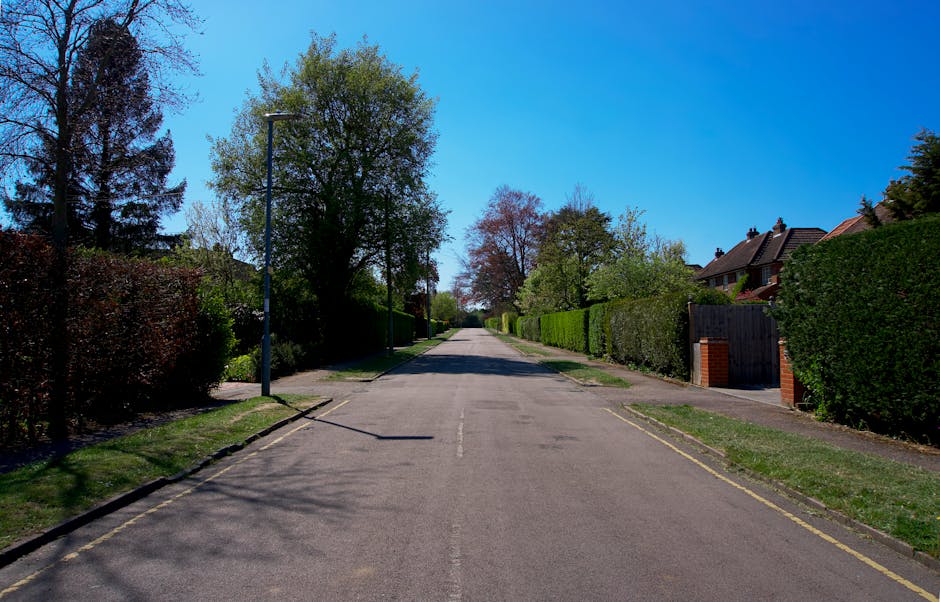
Narrow-street moves are a different animal. The challenge is rarely the distance between properties. It is the access. You may have limited kerb space, cars parked close to junctions, low branches, awkward footpaths, or a van that simply cannot sit outside the door for long. In areas like these, the move can stall if you do not think ahead.
That is especially relevant when moving between residential streets around Elmers End, where a normal loading plan can quickly run into reality. The van may need to stop a little further away. Boxes might have to be carried in stages. Large furniture may need to be moved on dollies, straps, or with a two-person lift. None of this is unusual. It just needs planning.
There is also a hidden benefit: when you handle a narrow-street move properly, you reduce the risk of damage to your belongings, the property, and the vehicle. Less shuffling. Less backtracking. Less of that last-minute panic where someone says, "Hold on, can the sofa actually fit through the front gate?"
If you want broader move planning advice alongside the local angle, it can help to read a practical guide to reducing moving-day stress and tips on strategic decluttering before the move. Those two steps alone can make a narrow-road move feel much more manageable.
How Croydon Road to Elmers End Road: narrow-street move tips Works
The idea is simple: you work backwards from access constraints rather than hoping the van will "sort itself out" on the day. Start with the street, then the parking, then the loading route, then the item sizes, and finally the sequence of loading. That order matters.
In practice, the process usually looks like this:
- Assess the street width and parking reality. Look at both ends of the move. Can a van stop safely? Is there room to open rear doors without blocking traffic? Are there resident permit or loading restrictions to consider?
- Measure the awkward items. Sofas, beds, wardrobes, mirrors, and appliances are the usual troublemakers. A few centimetres can be the difference between an easy carry and a frustrating pivot at the doorway.
- Plan the carry route. From front door to van, note steps, turns, railings, uneven paving, and any narrow points. In a real move, the smoothest route is often not the shortest one.
- Choose the right vehicle and crew. A smaller removal van or a flexible man-and-van setup can be much easier in tighter streets than a larger vehicle that has to reverse and reposition every few minutes. You can explore the service fit through the services overview or a more specific man and van option in Elmers End.
- Load in the correct order. Heavier and less fragile items first, essentials last. That way, you are not unpacking half the van just to find one kettle when you arrive.
Truth be told, most narrow-street move problems come from skipping the assessment stage. People pack well, wrap well, even label boxes properly, but then the van ends up three doors away and the whole rhythm changes. Planning for that early is the difference.
Key Benefits and Practical Advantages
A good narrow-street moving plan does more than reduce hassle. It actually improves the whole experience of moving.
- Less lifting distance: If you know where the van can safely stop, you can organise a shorter, cleaner carry route.
- Lower damage risk: Tight corners and rushed turns cause scrapes, knocks, and dropped boxes. A clear plan reduces all of that.
- Better time control: When the parking and loading sequence are sorted, the move feels less chaotic and is easier to time.
- Safer handling: Heavy items are less likely to be rushed or awkwardly manoeuvred when the route is mapped out properly.
- Less neighbour friction: Nobody enjoys blocking a narrow road for ages. A tidy, efficient move is simply more considerate.
There is also a mental benefit. It sounds small, but once you know the van plan, the rest of the move tends to settle down. Boxes get stacked better. People stop asking the same questions every ten minutes. You can breathe a bit. Handy, that.
If your move involves furniture, it may be worth reading about furniture removals in Elmers End so you can see how larger items are usually handled in local moves.
Who This Is For and When It Makes Sense
These tips are useful for almost anyone moving within the Elmers End area, but they are especially helpful if your move includes any of the following:
- terraced housing or maisonettes with limited frontage
- flats with shared access or narrow stairwells
- older streets with parked cars on both sides
- large furniture that needs careful turning
- same-day or short-notice moves where time is tight
- student moves with lots of small items and awkward timing
Students, in particular, often underestimate how much a narrow street affects the day. A stack of boxes is easy enough until you realise the lift is slow, the parking is limited, and the van is half a road away. That is one reason student removals in Elmers End can be worth considering if you want the process handled more efficiently.
It also makes sense for anyone moving on a deadline. If your old tenancy ends the same day your new one begins, or if access windows are limited, then even a few minutes saved on loading can matter quite a bit.
Step-by-Step Guidance
Here is a practical way to tackle the move without making it more complicated than it needs to be.
1. Walk both properties before moving day
Do a quick walk-through at the old and new addresses. Look for steps, narrow hallways, tight gates, low ceilings, and anything that might interrupt the route. If there is a garden gate, check whether it opens fully or catches on something. That little detail can change the carry plan completely.
2. Decide where the van can safely wait
Do not assume the ideal loading spot is available. In a narrow street, the best stopping point may be slightly down the road, around the corner, or on the side with more space. Safety matters more than convenience, especially if other vehicles still need through access.
3. Prioritise the awkward items first
Load the items that are hardest to manoeuvre while everyone is still fresh: wardrobes, mattresses, dining tables, large mirrors, and anything fragile or oversized. For beds and mattresses, there are some genuinely useful ideas in these bed-and-mattress moving techniques.
4. Pack for carry, not just for storage
Box shape matters. A neat, stackable box is far easier to carry through a narrow entrance than a bulging one that tilts sideways at the worst moment. For a structured approach, see how to pack effectively for your upcoming move. It is the sort of thing people usually wish they had read sooner.
5. Protect your floors, corners, and doorframes
Think of this as low-cost damage prevention. Corner guards, blankets, and simple floor protection can save you from scrapes and scuffs that are annoying now and more annoying later. To be fair, one clumsy doorway can undo a lot of good packing.
6. Keep a clear "essentials first" bag
Put medication, phone chargers, documents, keys, snacks, and basic cleaning items somewhere easy to reach. Narrow-street moves often take longer than expected, and having essentials buried at the bottom of a stack of boxes is, frankly, not much fun.
7. Finish with a final sweep and clean
Once the furniture is out, do a proper sweep of the property before handing back keys. A good clean supports a smoother handover and helps you avoid a rushed end-of-day scramble. You may find these moving-out cleaning hacks useful if your timeline is tight.
Expert Tips for Better Results
Some of the best narrow-street move tips are small, practical, and easy to miss. They do not sound dramatic, but they save real effort.
Use the "two-minute test" before lifting anything large. If it takes more than a minute or two to work out a safe path from door to van, stop and rethink the route. That brief pause often prevents a lot of rework.
Break the move into short stages. In narrow roads, staged loading is often better than trying to do everything at once. You can move lighter items first, then the big pieces, then the essentials. Small win. Small win. Another small win.
Keep one person focused on the route. In a busy move, it helps to have someone watching for passing traffic, door swings, awkward corners, or people parked too close to the kerb. This is especially useful when a van has to be repositioned several times.
Wrap furniture where it really needs it. Not every item needs museum-level wrapping, but corners and surfaces that will brush doorframes do need attention. If you are storing furniture afterwards, the right wrapping approach becomes even more important. The guide on sofa storage and protection is a good reference.
Use proper lifting technique. A narrow street move often means more carrying by hand, so good lifting matters. If you are unsure about body mechanics, take a look at the basics of kinetic lifting and safe techniques for heavy lifting alone.
Be honest about the awkward items. A piano is not just another box. Nor is a large American fridge, really. If the item is valuable, delicate, or too heavy to improvise with, specialist help is usually the sensible choice. There is a reason piano moving is often left to professionals and why piano removals in Elmers End exist as a dedicated service.
Common Mistakes to Avoid
Most moving mistakes in narrow streets are predictable. That is good news, because predictable mistakes are the easiest to prevent.
- Booking the wrong vehicle size. A van that is too large can create more problems than it solves. Bigger is not always better in tight access areas.
- Ignoring parking restrictions. Even if the stop looks convenient, local restrictions can create fines or awkward delays. Always check before the day.
- Leaving packing until the last minute. If boxes are still half open at 8am, you are already behind.
- Forgetting to measure awkward furniture. A wardrobe that fits in the room may still be a problem in the hallway.
- Trying to carry too much at once. That is how items get dropped, ankles get twisted, and tempers get short. Happens more than people admit.
- Not protecting surfaces. A quick scrape on a doorframe can be expensive to fix and annoying to explain.
- Skipping the route check at the destination. The new property may have its own narrow entry point, shared stairway, or tricky turn.
One common trap is underestimating how tired people get after the first hour. Carrying through a narrow street is physically repetitive, and that is where sloppiness creeps in. Keep the pace steady. Do not rush the awkward bits.
Tools, Resources and Recommendations
You do not need a truckload of specialist gear, but a few basics help a great deal on narrow-street jobs.
| Tool or item | Why it helps | Best use in a narrow-street move |
|---|---|---|
| Furniture blankets | Protects edges and surfaces | Doorframes, stair corners, van loading |
| Removal straps | Improves control when lifting | Heavy items, two-person carries |
| Dolly or sack truck | Reduces manual carrying | Boxes, appliances, repeated short trips |
| Floor protection | Reduces scuffs and marks | Hallways, landings, entrance points |
| Strong packing tape and labels | Keeps boxes secure and organised | Fast unloading and room-by-room placement |
It is also worth using a proper quotes and service comparison process before you commit. A clear pricing and quotes page can help you understand what is included, while removal services in Elmers End can give you a sense of the available support levels.
If you are weighing up whether to handle everything yourself or use support, read the local man with a van service and removal van options in Elmers End. For many narrow-street moves, flexibility matters more than anything else.
Law, Compliance, Standards, or Best Practice
For most home moves, the key compliance issues are practical rather than complicated: parking legality, safe loading, and avoiding obstruction. Local streets may have permit zones, time-based restrictions, single yellow lines, or loading rules. These can change by location, so always check the specific street signs rather than assuming.
If your move involves shared access, communal entrances, or flats, it is sensible to respect building rules and neighbours' access needs. That is not just polite; it reduces friction and keeps the move moving. In London, that can be the difference between a smooth hour and a very long morning.
From a safety standpoint, use sensible manual handling practice. UK workplaces and professional removers generally treat lifting as a risk to manage, not something to brute force. That means assessing weight, shape, grip, and route before anyone picks the thing up. If a move feels unstable, stop and reset. Simple as that.
Insurance and service terms also matter. Before booking, it is wise to understand what is covered, what exclusions may apply, and how the company handles claims or delays. You can review insurance and safety information and the terms and conditions so there are no surprises later. If you care about good business practice, the company's health and safety policy and accessibility statement are also worth a look.
For a broader look at responsible operations, about us and recycling and sustainability can help you judge whether the service suits your values as well as your schedule.
Options, Methods, or Comparison Table
There is no single perfect way to manage a narrow-street move. The right choice depends on what you are moving, how much access you have, and how much time you can spare.
| Method | Best for | Pros | Trade-offs |
|---|---|---|---|
| DIY van hire | Small, simple moves with flexible timing | Can be cost-effective, full control | You handle all lifting, parking, and route planning |
| Man and van | Flat moves, local moves, mixed-size loads | Flexible, often easier in narrow roads | Less capacity than larger removal teams |
| Full removals team | Family homes, heavy furniture, more complex access | More hands, more structure, usually faster loading | Can be more than you need for a small move |
| Specialist item service | Pianos, large furniture, fragile or valuable items | Lower risk for difficult pieces | Best used for specific items, not the whole move |
If you are unsure which route suits your move, start by comparing the practical load rather than the property size. A one-bedroom flat with a grand piano can be more awkward than a family house full of lightweight boxes. That catches people out.
Case Study or Real-World Example
Here is a realistic example based on the kind of move people often face around Elmers End.
A couple moving from a terrace off Croydon Road to a flat near Elmers End Road had three main issues: limited on-street stopping space, a narrow front path, and one bulky sofa that barely fitted through the hallway. Rather than waiting until moving day to work it out, they did a quick pre-move walk-through, measured the sofa, and decided to use a smaller van with an early start.
They also split the move into two stages. Boxes and lighter items went first, then the large furniture was moved after the route was cleared. One person stayed outside to guide the van position and keep the loading area clear. The sofa still required a careful angle and a bit of patience, but because the plan was sensible, the move stayed calm. Not glamorous. But calm.
The biggest win was that they avoided the classic "reposition the van six times and hope for the best" routine. They had the right gear, the right sequence, and no unnecessary drama. That is usually how it goes when a narrow-street move goes well: it looks almost boring from the outside.
Practical Checklist
Use this checklist a day or two before moving.
- Confirm the vehicle size and access route
- Check parking restrictions and loading permissions
- Measure large furniture, doors, and hallways
- Pack fragile and essential items separately
- Label boxes by room and priority
- Protect floors, corners, and doorframes
- Prepare straps, blankets, tape, and a dolly if needed
- Clear the path from each exit point to the van
- Plan who will guide the van and who will carry
- Set aside kettle, chargers, documents, and medication
- Arrange help for awkward or heavy items
- Finish with a final clean and property check
If you want to go a bit further, decluttering before the move and organising the day for less stress are two of the most useful things you can do. Less clutter means fewer trips. Fewer trips means less strain. Pretty neat, really.
Get a free quote today and see how much you can save.
Conclusion
A narrow-street move between Croydon Road and Elmers End Road does not have to be difficult. The key is to plan for access first, then load order, then safety. Measure the awkward bits. Check the parking. Choose the right vehicle. Keep the route clear. And do not try to force a one-size-fits-all approach onto a street that clearly has its own ideas.
With the right preparation, even a tight urban move can feel controlled and manageable. That is the real point of these Croydon Road to Elmers End Road: narrow-street move tips - not to make the move perfect, just much easier to live through. And honestly, that is enough.
When the day comes, take a breath, keep the pace steady, and remember that a good move is usually the one that feels uneventful in the end. Quietly successful. That is the goal.