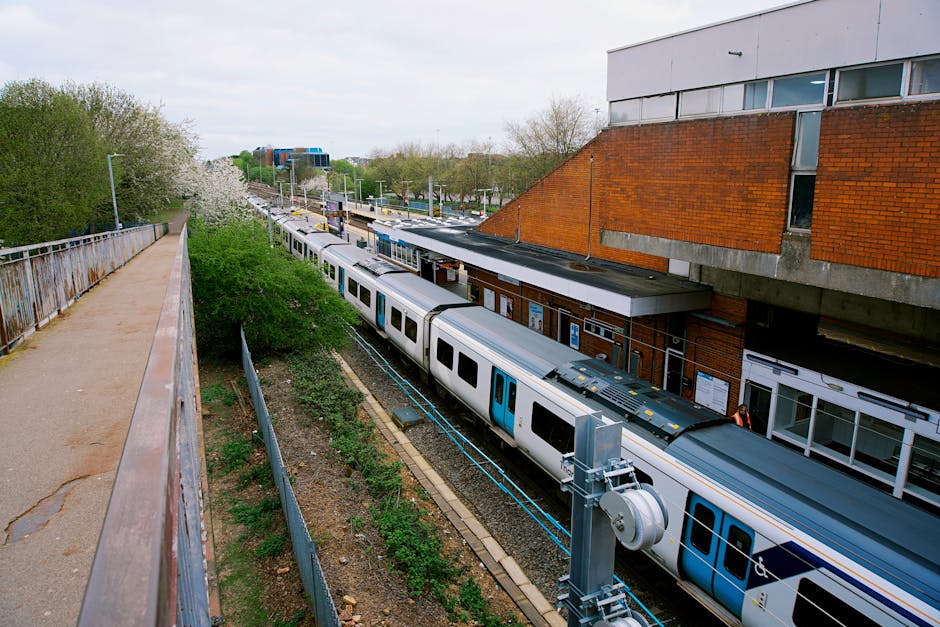
Elmers End Station moving guide: parking, lifts, routes
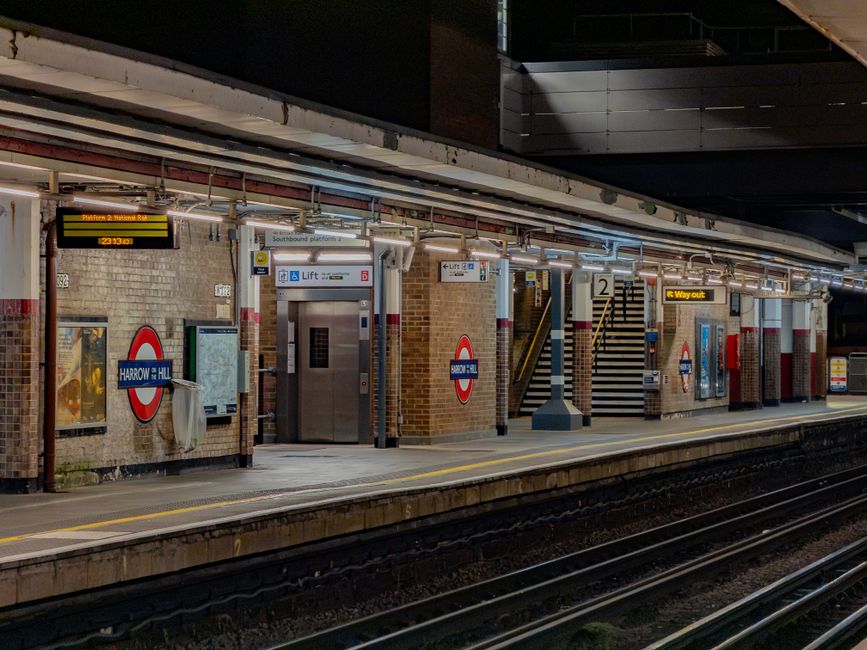
If you are moving near Elmers End Station, the small details matter more than people think. Can the van stop without causing a fuss? Is there step-free access when you are juggling boxes and a tired back? Which route will actually save time when the roads around the station are busy? This Elmers End Station moving guide: parking, lifts, routes pulls those moving parts together so you can plan with a bit more calm and a lot less last-minute scrambling.
Moving day around a station can be awkward. There is foot traffic, tight roads, luggage, buses, crossings, and the general "where can I safely park for two minutes?" problem. In our experience, a good move here is rarely about brute force. It is about timing, access, and knowing the local layout before the boxes start coming out of the hallway. Let's get into the practical side of it.
Why Elmers End Station moving guide: parking, lifts, routes Matters
Elmers End is the sort of place where a move can go smoothly or become a bit of a headache, depending on how well you handle the logistics. The station area brings together residential streets, rail users, delivery traffic, and regular day-to-day movement. That means your removal vehicle does not get unlimited freedom to park wherever it likes. Shocking, I know.
Parking, lifts, and routes matter because each one affects the others. If the van cannot stop close enough, someone ends up carrying heavy furniture further than planned. If the property has a lift but it is too small for large items, you need a fallback plan. If the route into the area is tight at the wrong time of day, everything gets slower. One small delay can ripple through the whole day.
There is also a trust factor. A well-planned move feels controlled. A badly planned one feels rushed, noisy, and slightly stressful even if nothing actually goes wrong. People notice the difference immediately, especially when moving with children, pets, or fragile items.
Expert summary: The best moves near Elmers End Station are the ones that treat parking, building access, and driving routes as one plan, not three separate jobs.
How Elmers End Station moving guide: parking, lifts, routes Works
Think of the move in three layers. First, you work out where the vehicle can stop. Second, you check how items move between the property and the vehicle, including lifts, stairs, entrances, and door widths. Third, you decide which route is best for the removal team, especially if you are coming from outside the area or moving at a busy time.
That sounds simple. In practice, it means looking at the property and the surrounding streets with a practical eye. For example, a flat near the station might have easy walking access but awkward parking. A house a little further out might have better roadside space but a trickier approach for a long wheelbase van. You need to know which constraint will be the real problem before moving day arrives.
The lift side of things is often underestimated. A lift can be a huge help, but only if it is suitable for your items and the building allows its use for removals. Some lifts are fine for boxes and small furniture but not ideal for bulky wardrobes, mattresses, or sofas. And yes, if the lift is out of service on the day, you will feel it immediately.
Routing is the final piece. A good route is not always the shortest one. It is the one that avoids unnecessary congestion, awkward turns, height restrictions, and unnecessary reversing. That is especially true if your move involves a larger van or a moving truck. If the vehicle is hard to manoeuvre, a "short" route can become the slow route very quickly.
Key Benefits and Practical Advantages
A thoughtful moving plan near Elmers End Station gives you more than convenience. It saves time, reduces damage risk, and usually keeps everyone a bit calmer. To be fair, calm is underrated on moving day.
- Less carrying distance: better parking means fewer steps with heavy items and fewer chances of dropping something.
- Safer handling: a clear route and suitable access help prevent knocks, scrapes, and back strain.
- Better time control: you are less likely to drift into the afternoon with half the house still in the hallway.
- Lower stress for residents and neighbours: a tidier loading plan is simply less disruptive.
- Improved vehicle efficiency: the right route can reduce dead time and avoid unnecessary repositioning.
There is another benefit that people sometimes miss: a good plan gives the removal team confidence. When movers know where they are parking, how they are getting items in and out, and which route they are taking, the whole job tends to run more smoothly. That sounds obvious, but moving day often runs on a surprising amount of guesswork.
Who This Is For and When It Makes Sense
This guide is useful for anyone moving to or from the Elmers End Station area, but it is especially helpful in a few situations. Are you in a flat with shared access? Are you dealing with a tight street where parking is limited? Do you have a lift but no idea whether the sofa will fit? Then this is for you.
It is also relevant if you are:
- moving from a maisonette or upper-floor flat
- using a man and van or larger removals team
- carrying out a same-day local move
- moving office equipment or stock from a nearby business unit
- handling bulky furniture, appliances, or fragile items
- trying to avoid disruption during school-run or commuter periods
For smaller moves, a compact man and van approach can be enough. For bigger homes or more complex access, a fuller removal services setup may make far more sense. Truth be told, choosing the right size of vehicle and team is half the battle.
If you are moving a business nearby, the same principles apply, but with a little more pressure on timing and equipment handling. In that case, commercial moves are usually better planned like a staged operation rather than a single "pile it in and hope" exercise. Not glamorous, but effective.
Step-by-Step Guidance
Here is a practical way to plan your move near Elmers End Station without overcomplicating it. Keep it simple, but do not skip the important bits.
- Check the exact property access. Measure doorways, hallways, stairs, and lift openings. If you have a large wardrobe or sofa, do not assume it will magically fit. It rarely does.
- Map the parking option. Identify where a vehicle can reasonably stop, unload, and wait if needed. Look for loading spaces, private bays, or a safe roadside position that does not block traffic.
- Confirm lift availability. If the building has a lift, check whether it is serviceable on the day and whether there are any booking or usage rules. A lift that is technically there but not usable is not much help.
- Choose the vehicle size carefully. A smaller van is easier to place near tight streets, while a larger van may reduce trips. The right answer depends on access, not ego.
- Plan loading order. Load the heaviest and most awkward pieces first if access allows, then build around them with boxes and softer items.
- Set a route and time window. Avoid the parts of the day when local roads are likely to be busiest. If you can shift an hour earlier or later, that can make a real difference.
- Protect flooring and walls. Use covers, blankets, or proper handling methods where needed, especially in shared buildings.
- Walk the route once on arrival. A quick look at the path from property to vehicle can highlight hazards before the first item moves.
A simple rule helps here: if the item is heavy, fragile, or awkward, treat it as though it will make the day harder unless you plan for it properly. Because, honestly, it probably will.
Parking priorities near the station
Parking is usually the first bottleneck. You want somewhere that allows efficient loading without creating a mess for neighbours or passers-by. Close is good, but safe is better. The ideal parking spot is the one that keeps the carrying distance short while still allowing doors to open fully and pedestrians to pass comfortably.
Be cautious about double parking or blocking access. Even where it feels "temporary", it can create problems quickly, especially near a station where people are moving in and out constantly. If you are unsure, choose a more conservative position and build the move around that.
Using lifts well
Lifts are helpful only when they are the right fit. A tiny lift can save stairs for boxes and small appliances, but it may not suit large furniture. Check weight limits if they are available, keep items upright when needed, and avoid damaging lift doors or panels. Building management may have rules for padding or booking lifts in advance, so that is worth sorting early.
Planning routes for vehicles
Routing is more than just entering the postcode into a map and hoping for the best. Removal vehicles need room to turn, space to park, and a route that makes sense for the size of the vehicle. If a street is narrow or awkward near the station, a slightly wider road with easier access can save time overall. In moving work, less drama usually wins.
Expert Tips for Better Results
There are a few things experienced movers tend to do that save a lot of hassle. Nothing mysterious. Just the kind of practical detail that separates a clean move from a long, tiring one.
- Book the van size with access in mind. Don't just estimate by room count. A one-bedroom flat with bulky furniture can be trickier than a neat two-bed with lighter pieces.
- Keep a "first out" pile by the entrance. Boxes with essentials, cables, and simple tools should be easy to reach at the new place.
- Use furniture protection early. Once you start moving, it is too late to be hunting for blankets or wraps.
- Take photos of tricky access points. A quick picture of stairs, entrances, or parking space can be surprisingly useful when discussing the move with your team.
- Have one person directing. Too many voices at the door causes confusion. One clear lead is better.
- Allow a little time buffer. Because moving day is never exactly as tidy as the plan says.
One small but valuable tip: if you are moving from a building with a lift, test the flow before you start hauling everything. One box through the lift is one thing; a fridge, a mirror, and a trolley all wanting attention at once is another. You can feel the bottleneck before it fully happens.
If you need packing help as well, a service like packing and unpacking services can take a surprising amount of pressure off. That is especially useful if you are moving with limited time or have fragile items that need proper handling.
Common Mistakes to Avoid
Most moving problems around Elmers End Station are not dramatic. They are small mistakes that compound. Here are the ones worth avoiding.
- Assuming parking will sort itself out. It usually does not.
- Not checking lift dimensions. A lift that looks spacious can still be awkward for large furniture.
- Leaving route planning until the day before. That is when you discover the awkward turn or the narrow approach.
- Choosing a van that is too large. A bigger vehicle can create more access problems than it solves.
- Ignoring neighbours and shared access. Courtesy helps more than people realise.
- Forgetting the weather. A wet London morning changes everything. Floors get slippery, handling slows down, and patience runs thin.
Another common issue is not separating "must-have" items from everything else. If you are moving into a property near the station after dark, the last thing you want is to be hunting for bedding, chargers, or kettle supplies while standing in a corridor full of boxes. Been there, not ideal.
Tools, Resources and Recommendations
You do not need a professional toolkit to move well, but a few practical items make a real difference. This is less about fancy gear and more about avoiding preventable strain.
- Sturdy boxes: use them for books, crockery, and mixed household items.
- Blankets or covers: ideal for protecting furniture edges and doors during loading.
- Straps and ties: useful for keeping items stable in the van.
- Trolley or sack barrow: especially helpful for heavier boxes and appliances.
- Labels and marker pens: simple, but brilliant for keeping rooms organised.
- Phone torch: useful for darker stairwells, basements, or awkward corners.
For a larger move, you might also look at a more substantial vehicle such as a moving van or even a moving truck, depending on how much you are taking and how much access the street allows. If the move is mostly furniture, a dedicated furniture pick up service can also be a sensible way to handle a few bulky items without turning the whole day into a logistics puzzle.
On the admin side, it helps to review pricing and quotes early so you can compare like with like. And if you want to understand how the business approaches risk and care, the pages on insurance and safety and the health and safety policy are worth a look. Not exciting reading, admittedly, but useful.
Law, Compliance, Standards, or Best Practice
When moving near a station, there are a few practical compliance points to keep in mind. This is not about getting buried in legal language. It is about staying safe, respectful, and within normal UK expectations for loading, parking, and property access.
First, do not block access ways, pavements, or emergency routes. Even if your stop is brief, you still need to think about pedestrians, residents, and other vehicles. Second, if the building has rules about lift use, loading times, or communal areas, respect them. Shared buildings can be sensitive to damage and disruption, and for good reason.
From a business standpoint, it is also sensible to work with a removal company that takes safety seriously, uses suitable equipment, and communicates clearly. If you are comparing providers, look for transparent standards around handling, vehicle condition, and customer information. Services such as removal company, removal companies, and removals near me can help you judge the level of service, while about us gives a little more background on who you are trusting with the job.
You should also expect straightforward policies around payments, privacy, terms, and complaints. That is basic good practice, not a bonus. A reputable service should make this easy to find, whether that is through payment and security, privacy policy, terms and conditions, or complaints procedure. It is the boring part that quietly tells you a lot.
For customers who are mindful of waste, the recycling and sustainability page may also be useful, especially if you are clearing out items as part of the move. Sorting out reuse, recycling, and disposal before the van arrives can cut down on confusion and last-minute dumping decisions.
Options, Methods, or Comparison Table
There is no single best way to move near Elmers End Station. The right choice depends on how much you are moving, what access looks like, and how much help you want. Here is a simple comparison to make that easier.
| Option | Best for | Strengths | Trade-offs |
|---|---|---|---|
| Small man and van | Studio flats, smaller loads, quick local moves | Easier to park, flexible, often practical around tight streets | May require more trips if the load is larger than expected |
| Full removals team | Family homes, bulky furniture, busy moving days | More hands, faster loading, better for awkward items | Needs stronger planning and may be more expensive |
| Moving truck | Larger properties or combined household moves | Handles bigger volumes in fewer journeys | Harder to position in tight access areas |
| Furniture-only move | Single bulky pieces or partial moves | Efficient when you only need a few items moved | Less helpful for boxes and mixed household contents |
If access near the station is tight, the smaller setup often wins. If the move is large but the route is straightforward, a bigger team may be more efficient. The mistake people make is assuming "more vehicle" automatically means "better move". It doesn't. Sometimes it just means more trouble finding a good stopping point.
Case Study or Real-World Example
Imagine a couple moving from a second-floor flat near Elmers End Station into a house a few streets away. The flat has a lift, but it is compact and best for boxes, not large furniture. The road outside is fairly busy in the morning, and parking is limited for longer vehicles. They could have tried to do everything in one go with a larger van, but that would have made the loading area awkward.
Instead, they chose a smaller vehicle with a clearly planned arrival time, checked the lift dimensions beforehand, and staged their most awkward items near the door the night before. They also kept fragile items separate from the heavier furniture and used a simple room-by-room label system. Nothing flashy. Just tidy work.
The result? Fewer trips than they expected, less time waiting for space to open up, and a much calmer day. The small win was that nobody had to drag a sofa round the wrong side of a parked car while muttering under their breath. A very human victory, that one.
That is the pattern you see again and again: the move goes better when the parking plan, access plan, and route plan are decided early and kept realistic. Not perfect. Realistic.
Practical Checklist
Use this checklist before moving day so you are not relying on memory once the van arrives.
- Confirm the property address and exact access point
- Check where the vehicle can safely stop
- Measure doorways, stairs, and lift openings
- Ask whether lift use needs booking or permission
- Decide whether a van or truck is the better fit
- Choose a route that avoids unnecessary congestion
- Protect flooring, walls, and furniture edges
- Label boxes by room and priority
- Keep essentials separate for easy access
- Review timing, weather, and any building rules
- Set aside a backup plan for parking or lift issues
If you can tick off those points, you are already ahead of most moving days. Not everyone does, and you can usually tell by the first ten minutes.
Conclusion
Moving near Elmers End Station does not need to be complicated, but it does need to be thought through. Parking, lifts, and routes are the three things that determine whether the day feels manageable or messy. Get those right, and the rest becomes a lot easier to handle.
The practical takeaway is simple: plan for access, choose the right vehicle, and make sure the route suits the job, not just the postcode. If you are comparing options, gathering quotes, or trying to work out what level of support you need, take your time and be honest about the size of the task. That usually pays off.
Get a free quote today and see how much you can save.
And if you are still in the planning stage, that is fine. A good move starts with a clear head, not a perfect spreadsheet.
Frequently Asked Questions
Is there parking near Elmers End Station for a moving van?
It depends on the exact property, the street layout, and the time of day. In practice, you should look for the closest safe loading position rather than assuming the easiest spot will be available. For station-adjacent moves, a little flexibility goes a long way.
Should I choose a small van or a larger removal truck?
That depends on the load and access. Smaller vans are easier to place on tighter streets, while larger vehicles can reduce the number of journeys. If parking is difficult, a smaller vehicle often makes more sense.
Do lifts make moving easier in flats near the station?
Usually yes, but only if the lift is usable for your items. Check size, weight limits, and whether lift use needs permission or booking. A lift is helpful, but it is not a guarantee that every item will fit.
What is the best route for removals around Elmers End Station?
The best route is usually the one that avoids tight turns, congestion, and unnecessary reversing for the size of your vehicle. Sometimes the shortest route is not the easiest route, and moving days tend to punish shortcuts.
How far in advance should I plan my move?
As early as you reasonably can. Even a simple local move benefits from advance planning, especially if access is tight or the building has lift rules. Leaving it to the last minute is where the stress creeps in.
Can I move on my own, or should I hire movers?
If you have only a few items and easy access, a smaller self-managed move may work. If you have bulky furniture, multiple floors, or limited parking, hiring movers can save time and reduce risk. The honest answer is usually found by looking at the stairs.
What should I do if the lift is out of order on moving day?
Have a backup plan. That may mean extra labour, a different time slot, or a revised loading strategy. It is better to assume the lift might fail than to be caught entirely off guard.
Are there any rules I should know about in shared buildings?
Yes, often there are rules around lift booking, protection of communal areas, and loading times. These are usually building-specific rather than one-size-fits-all, so check in advance and keep communication clear.
What items are most likely to cause problems during the move?
Large sofas, wardrobes, mattresses, mirrors, and appliances tend to cause the most trouble. They are awkward, heavy, or both. If you have any of these, plan their route out of the property before moving day starts.
How can I make moving day less stressful?
Start with the basics: parking, access, lift use, and a sensible route. Then label boxes, keep essentials separate, and leave a little time buffer. A calm move is rarely an accident.
Should I ask for a quote before confirming the move?
Yes. Getting a quote early helps you compare options and choose the right level of support. If you want to understand the cost structure and service scope, reviewing pricing and quotes is a sensible first step.
Where can I find more about the company's approach to service and support?
You can review the company's background, standards, and support pages, including about us, contact us, and the policy pages linked earlier. That kind of homework is rarely wasted.