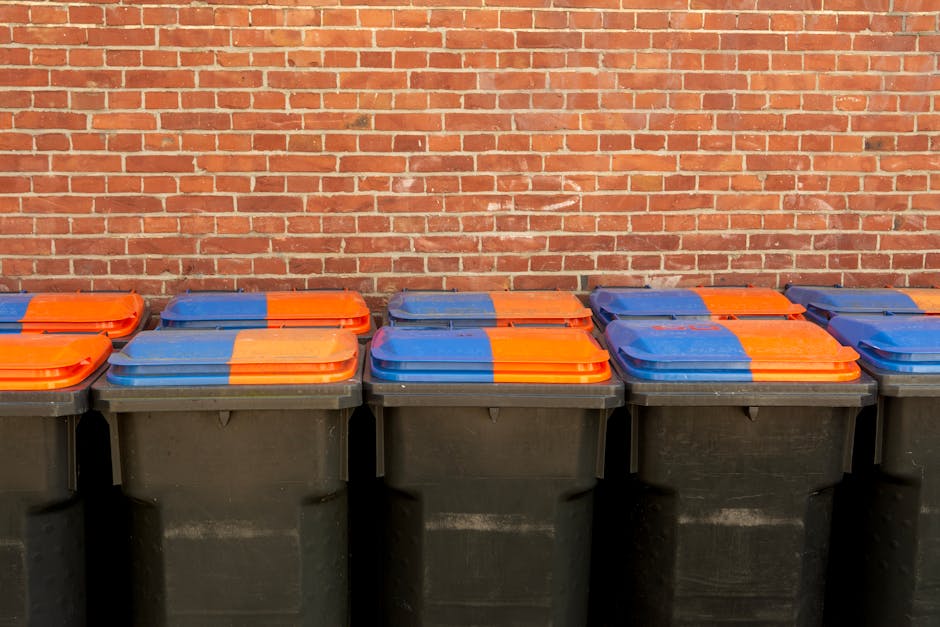
Skip, waste and disposal rules near Elmers End -- Bromley guide

If you are planning a clear-out in Elmers End, the rules around skips, waste and disposal can feel a bit fiddly at first. One minute you are sorting a sofa, a few boxes and some garden waste; the next you are wondering whether you need a permit, what can go in the skip, and how to avoid a headache on a narrow Bromley street. This guide breaks it all down in plain English, with a local focus on the kind of practical issues people actually run into near Elmers End.
Whether you are moving house, emptying a flat, dealing with a bulky item pickup, or just trying to keep your driveway clear, the aim here is simple: help you dispose of waste legally, safely and without wasting time or money. You will also find some useful links to related moving and disposal topics if you are planning a bigger project.
Why Skip, waste and disposal rules near Elmers End -- Bromley guide Matters
Local disposal rules matter because waste is not just waste in the eyes of the council. A mattress left on the pavement, a skip placed without permission, or rubble mixed with general household rubbish can create avoidable costs and delays. In a busy area like Elmers End, where streets can be tight and parking can be awkward, small mistakes quickly become annoying ones.
There is also a practical side that people often underestimate. If you are clearing a property for sale, handing back a rental, or preparing for a removal, you want the place to look tidy and compliant. The last thing you need is a skip blocking access, a neighbour complaining about overflow, or a collection refused because the waste stream was mixed up. To be fair, these problems are usually easier to prevent than to fix.
For people planning a move, disposal is often tied to decluttering. That means the rules can affect your packing plan, your loading plan and even your timetable. A smart approach saves more than money; it reduces stress. And honestly, that is the bit most people remember later.
Expert summary: If your clear-out in Elmers End involves bulky items, mixed waste or a skip on a public road, treat disposal as part of the move plan, not an afterthought. It is usually cheaper and calmer that way.
How Skip, waste and disposal rules near Elmers End -- Bromley guide Works
At a practical level, the process usually falls into three buckets: what can be reused or donated, what must be recycled, and what needs licensed disposal. Once you separate those early, the rest becomes much more manageable.
Skip rules are usually about location, safety and responsibility. If a skip sits on private land, such as a driveway, that is usually simpler. If it goes on a public road or pavement, a permit may be needed, and conditions can apply. In a place with limited kerbside space, this is where many people get caught out. You may think the skip is fine because it is "just there for a couple of days", but local enforcement does not really work on vibes.
Waste disposal rules also depend on the material. General household waste, green waste, builders' waste, electrical items and hazardous materials are not treated the same. Mixed loads can be more expensive to process and, in some cases, not accepted at all. If you are clearing a property, sort as much as you can before collection day. It makes the whole job feel less chaotic.
For many Elmers End residents, the decision is not just "skip or no skip". It is often a mix of removal, reuse and specialist disposal. For example, bulky furniture can be handled separately, especially if you are also planning a move. If that is your situation, it may help to read bulky waste pickup and sofa or mattress disposal options alongside this guide.
Key Benefits and Practical Advantages
Getting the disposal process right offers more than compliance. The benefits are immediate and, in some cases, quite noticeable on the day.
- Fewer delays: You are less likely to have a skip rejected, waste left behind, or a collection rescheduled.
- Better access: Keeping pavements, drives and shared entrances clear makes life easier for neighbours and movers.
- Lower risk of extra charges: Correct sorting can reduce surcharges for contamination or prohibited items.
- Safer handling: Separate heavy, sharp or awkward items before anyone starts lifting.
- Less clutter during moving day: A cleaner space means faster loading and fewer "where did we put that?" moments.
There is also a less obvious benefit: momentum. When the waste pile shrinks quickly, the rest of the move tends to follow suit. You notice it in little ways. Boxes stack better, hallways open up, and the house feels less like a puzzle.
If you are trying to keep a move calm and controlled, it often helps to pair disposal with decluttering. That approach is explored well in strategic decluttering for a smoother move and in this guide to stress-free moving.
Who This Is For and When It Makes Sense
This guidance is useful if you are a homeowner, tenant, landlord, student, small business owner or simply someone doing a major clear-out near Elmers End. Different situations have different pressures, but the same basic rules still apply.
It makes particular sense when:
- you are moving house and need to dispose of unwanted items before moving day;
- you are clearing a flat or probate property and need a tidy, legal process;
- you have renovation waste, old fixtures or packaging to remove;
- you need to get rid of bulky furniture without blocking access;
- you are planning around a narrow street, limited parking or a shared driveway;
- you want to compare skips, man and van collection, and other disposal methods.
Students and renters often need this guidance more than they expect. There is usually a temptation to leave everything until the final day, and then suddenly the recycling pile, the broken chair and the mystery bag of cables all need attention. It happens. More often than people admit.
If you are managing a flat move in particular, you may also find flat removals in Elmers End useful because access, stairs and waste removal often overlap in those jobs.
Step-by-Step Guidance
Here is a practical way to handle waste disposal near Elmers End without turning it into a last-minute scramble.
- List everything you want to remove. Walk through each room and note bulky items, bagged waste, recyclables, electronics, and anything sharp or heavy.
- Separate reusable items early. If an item can be sold, donated or passed on, set it aside before it gets mixed into the disposal pile.
- Group waste by type. Keep general waste, cardboard, wood, green waste and heavy construction waste apart where possible.
- Check access and parking. Measure the available space, think about turning room, and decide whether a skip would block anything important.
- Decide whether a skip is actually the best option. For small loads, a skip can be overkill. For mixed or bulky loads, it may still be the most convenient choice.
- Confirm whether permission may be needed. If the skip will sit on public land, plan for the permit side of things before delivery day.
- Load safely and sensibly. Put heavier items low, keep sharp edges contained, and do not overfill the container.
- Arrange collection with a realistic buffer. A little extra time is helpful if the road is busy or access is shared.
A simple example: if you are clearing a one-bedroom flat after a tenancy ends, you might split the job into clothing and soft furnishings, cardboard and packaging, and bulky waste like a bed frame or chest of drawers. That means you can choose the cheapest disposal route for each group rather than forcing everything into one expensive solution.
For help with packing and organising the move side of things, packing and boxes in Elmers End can be a handy companion topic. And if the clear-out is happening at speed, same-day removals in Elmers End may be worth considering.
Expert Tips for Better Results
After enough local moves and clear-outs, a few patterns become obvious. The jobs that go well are not necessarily the ones with the fewest items; they are the ones with the clearest plan.
- Keep an "unsure" pile. If you are not certain whether something should be disposed of, recycled or kept, separate it rather than guessing under pressure.
- Take photographs of bulky items before collection. It helps if you need to confirm condition, size or pickup instructions.
- Prepare for awkward access. Shared gates, narrow drives and basement steps can turn a straightforward waste job into a bit of a faff.
- Do not wait until the skip is full to think about weight. Heavy rubble, soil or bricks can make the load uneven very quickly.
- Use the move as a sorting moment. If you have not used something in a year, ask whether it really deserves a place in the van, the skip or the new home.
One small but useful habit: label bags before they are taken outside. It sounds almost too simple, but it can save a surprising amount of time when everyone is tired and moving quickly. Labels, tape and a marker pen. Not glamorous, but effective.
If the load includes heavy furniture or delicate items, it can be safer to get specialist help. The pages on furniture removals in Elmers End and piano removals in Elmers End show how some items are better handled as part of a planned removal rather than a simple tip run.
Common Mistakes to Avoid
The biggest mistake is assuming disposal is always the same as removal. It is not. Different waste types, access issues and road conditions all change the best method.
- Overfilling a skip: This can create safety issues and may stop collection altogether.
- Mixing restricted materials: Some items need separate handling, and mixing them can trigger refusal or extra charges.
- Ignoring access limits: A skip or van that technically fits may still block neighbours, gates or emergency access.
- Leaving sorting until the final hour: That is usually when mistakes happen, especially with cables, batteries and sharp items.
- Forgetting the schedule: If the waste is due out before a move, a missed collection can throw the whole day off.
Another common issue is assuming someone else will "just take care of it". If you are sharing a property, be clear about who is arranging what. It sounds obvious, but it is one of those things that gets messy fast.
If parking or loading is part of the headache, it may help to read how parking problems are solved in Elmers End and tips for narrow-street moves. Those situations often shape disposal choices more than people realise.
Tools, Resources and Recommendations
You do not need a complicated toolkit to manage waste well, but a few basic items make life easier.
- Sturdy gloves: Useful for broken items, rough timber and general loading.
- Marker pens and labels: Ideal for sorting and room-by-room tagging.
- Tape, twine and dust sheets: Helpful for bundling, covering and keeping things neat.
- Heavy-duty bags and boxes: Better than overstuffed soft bags that split halfway down the path.
- Dolly or sack truck: Handy for heavier household items, though it is not a magic wand.
For bigger projects, it also helps to look at the wider moving picture. removal services in Elmers End, man and van support and a suitable removal van can all be useful depending on what you are clearing and how quickly you need it done.
If you are comparing options or trying to stay on budget, a transparent quote matters more than a flashy promise. This is where tips on avoiding hidden fees can save you from an unpleasant surprise later.
Law, Compliance, Standards, or Best Practice
In the UK, waste has to be handled responsibly, and that applies whether you are a homeowner, tenant, landlord or business owner. You do not need to be a legal expert, but you should know the broad shape of things.
Best practice generally means using a licensed carrier for waste removal, making sure the load is sorted sensibly, and avoiding disposal routes that could result in fly-tipping or unsafe dumping. If a skip is placed on public land, a permit may be required. The exact process can vary, so it is sensible to check before you book rather than after the lorry has arrived and everyone is looking at each other.
Safety also matters. Heavy lifting, broken furniture and awkward access all create risks. For a useful overview of handling techniques and safe loading habits, insurance and safety guidance and health and safety policy information are good supporting reads.
Where recycling is possible, it should be part of the plan rather than an afterthought. That means separating cardboard, metal, wood and reusable household goods where practical. It is a little more work, yes, but usually worth it. And to be fair, the process feels better when you know less is going to landfill.
Options, Methods, or Comparison Table
There is no single best disposal method for every job. The right choice depends on what you are removing, how much there is, and how tight the access is. Here is a simple comparison.
| Option | Best for | Strengths | Limitations |
|---|---|---|---|
| Skip hire | Mixed household or renovation waste, longer jobs | Convenient, handles large volumes, easy to fill over time | May need a permit if placed on public land; can be poor value for small loads |
| Man and van collection | Bulky items, quick clear-outs, accessible properties | Flexible, often faster, useful when timing is tight | May require sorting before pickup; not ideal for loose mixed rubble |
| Reuse or donation | Usable furniture, appliances and household items | Reduces waste, often cheapest, environmentally sensible | Condition and timing matter; not everything can be accepted |
| Specialist removal | Heavy, fragile or awkward items | Safer handling, less damage risk, better for stairs and tight access | Usually more specialised and may cost more than a basic uplift |
If your main concern is bulky household furniture, especially a sofa, bed or mattress, the article on bulky waste pickups in BR3 is especially relevant. It helps you compare disposal choices without overcomplicating the issue.
Case Study or Real-World Example
Here is a realistic local example. A couple in Elmers End were preparing to leave a two-bedroom flat and had a tight handover date. They had a worn sofa, a disassembled bed frame, several bags of mixed household waste, cardboard from recent purchases and an old chest of drawers that was too damaged to reuse.
At first, they thought a skip would solve everything. Then they checked the access. The street was narrow, the kerb space was limited, and they realised a skip would be awkward for neighbours and possibly need extra planning. Instead, they split the job into two parts: keep reusable cardboard and small items for recycling, and book a targeted bulky-item collection for the furniture. That meant less clutter, less stress and no giant container blocking the road for longer than needed.
What made it work was not luck. It was simply deciding early and matching the disposal method to the actual waste. The whole thing became more manageable once they stopped treating it as one massive pile.
That is the lesson, really. Separate the problem, and it shrinks.
Practical Checklist
Use this checklist before you arrange skip hire or waste disposal near Elmers End.
- Make a full list of items to remove.
- Separate reusable, recyclable and general waste.
- Check if any items are restricted or need special handling.
- Measure access, parking and turning space.
- Decide whether a skip, van collection or specialist removal makes most sense.
- Confirm whether a permit may be needed for public placement.
- Keep heavy items low and stable if you are loading yourself.
- Label bags and boxes so nothing gets mixed by accident.
- Book enough time for collection and do not leave it to the final hour.
- Keep pathways, doorways and shared areas clear for safety.
And one tiny tip that saves hassle: do a final walk-through the evening before. You will nearly always spot one extra cable, one forgotten shelf or one random bag in a cupboard. It happens every time, more or less.
If your project is tied to a larger move, house removals in Elmers End and man with a van in Elmers End are useful related options to look at next.
Conclusion
Skip, waste and disposal rules near Elmers End may not be the glamorous part of a move or clear-out, but they are one of the parts that matter most. Once you understand how access, permits, waste types and collection methods fit together, the whole process becomes far simpler. You avoid stress, reduce the chance of extra charges, and keep the job moving smoothly from start to finish.
For most people, the best approach is not to make one massive disposal decision. It is to sort early, compare options honestly and choose the method that fits the street, the waste and the timetable. That is especially true in a local area where parking and access can be a bit tight. A little planning goes a long way.
Get a free quote today and see how much you can save.
And if you are preparing for a bigger move, there is no harm in slowing down for ten minutes, making a cup of tea, and planning the clear-out properly. Small calm steps. That is usually how the messy jobs become manageable.
Frequently Asked Questions
Do I need a permit for a skip near Elmers End?
If the skip will sit on public land such as a road or pavement, a permit may be needed. If it stays entirely on private property, like a driveway, the rules are usually simpler. It is sensible to check before booking.
What waste can I put in a domestic skip?
General household waste, packaging, wood and some bulky non-hazardous items are commonly accepted. However, items such as batteries, chemicals, gas cylinders and some electrical goods may be restricted, so always confirm what is allowed before loading.
Is it cheaper to hire a skip or book a waste collection?
It depends on the size and type of waste. For small, bulky loads, a collection can be better value. For larger mixed clear-outs, a skip may work well. The cheapest option is usually the one that matches the job rather than the one that sounds simplest.
What is the best way to dispose of a sofa or mattress in BR3?
Bulky items are often better handled separately rather than mixed into a general waste load. A dedicated bulky-waste pickup or removal service is usually cleaner, safer and easier to manage than trying to squeeze them into an awkward skip layout.
Can I leave waste on the pavement outside my property?
Generally, no. Leaving waste on the pavement can cause access issues, nuisance and possible enforcement problems. Keep items on private land until they are ready for collection.
How do I know whether my item is recyclable or general waste?
Start by separating obvious materials such as cardboard, metal, wood and textiles. If an item contains mixed materials or has electrical parts, treat it carefully and check how it should be handled. When in doubt, keep it separate until you can confirm.
What should I do with old appliances before moving?
Old appliances should be handled with care, especially if they contain electrical components or refrigeration parts. If you are replacing or storing them, it helps to plan the timing properly. The article on keeping a freezer in good condition while unused is useful if one of those appliances is being kept for later.
Can I mix garden waste with building waste?
It is usually better not to. Mixed loads can be more awkward to process and may cost more. Keeping green waste apart from rubble, soil or renovation debris makes disposal easier and often cleaner.
What if my street is too narrow for a skip?
That is common in some parts of Elmers End. In that case, a collection-based option may be better than a roadside skip. Narrow access, parked cars and shared driveways all affect the decision, so measure carefully before booking anything.
How far in advance should I plan waste disposal before a move?
As early as you can, ideally when you start decluttering. If the move is time-sensitive, even a few days of planning can make a big difference. It gives you time to sort items, compare methods and avoid a rushed decision.
What happens if I overfill a skip?
Overfilling can create safety issues and may prevent collection. It can also lead to extra charges or a refusal to take the skip away until it is made safe. Load level, tidy and sensibly packed is always the better approach.
Where can I learn more about safe lifting during a clear-out?
If you are moving heavy items yourself, it is worth reading about lifting technique first. A good place to start is safe solo lifting techniques and the broader explanation of kinetic lifting basics. They are practical reads, not theory for theory's sake.